
Florence Garage Door Guide
Why Garage Doors in Florence Struggle Once the Cold Sets In
Florence, SC homes built mostly in the 1960s-70s see torsion springs fail hard once cold hits. Here's what the housing stock and climate mean for your door.
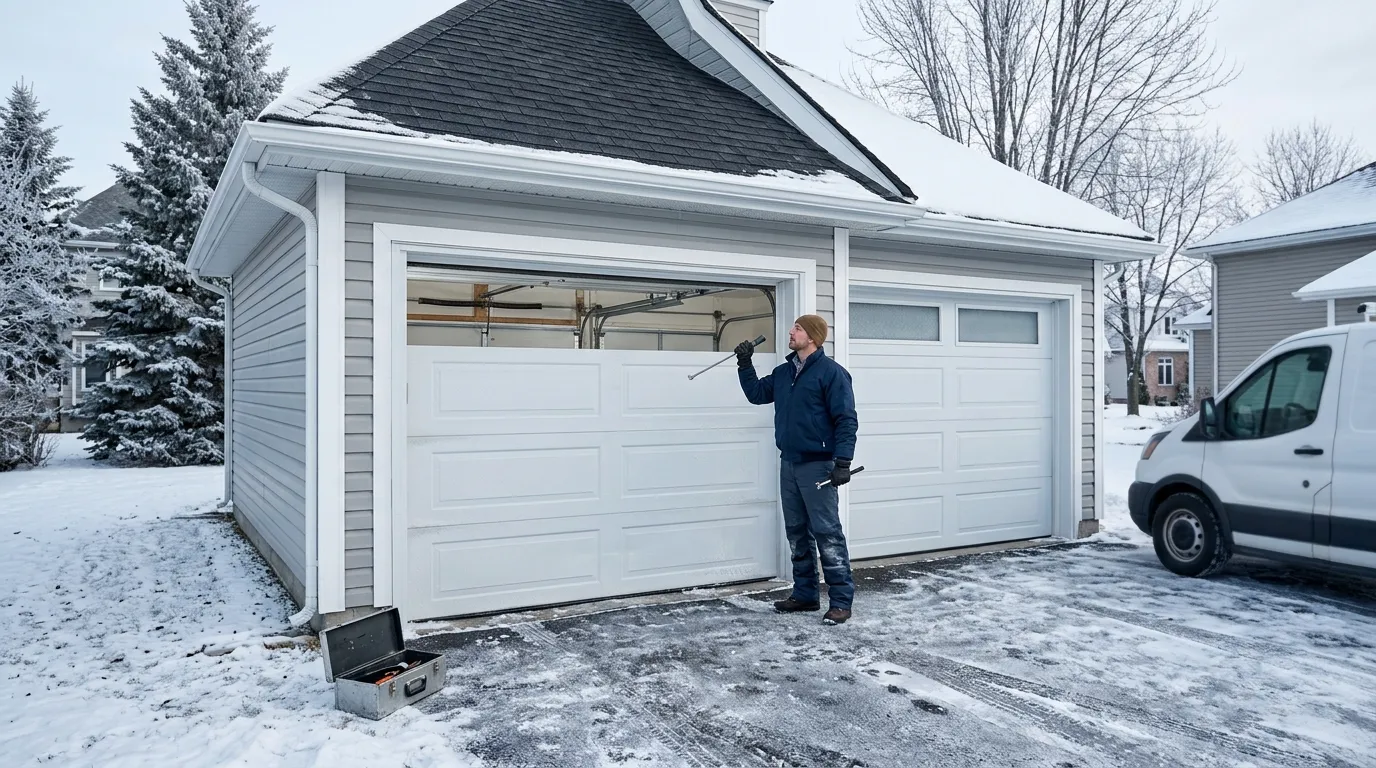
The Problem
Florence's housing stock runs mostly 1965 to 1988, with a median build year of 1977, and across the seven areas we cover the pattern holds: 1960s and 70s construction dominates. That matters for garage doors because those decades used steel torsion springs wound to specs that assumed less climate control than what gets built today.
Cold makes steel contract, and a spring that's been cycling for four or five decades in an unheated garage is already near the end of its wind life. Add the sub-freezing swings that come with Florence's cold-moderate climate band, and the metal fatigue that's been building for years finally lets go, usually on the coldest morning of the stretch, right when you're trying to back out for work.
This isn't a scare story. It's arithmetic. A torsion spring gets to the end of its rated cycles faster in a district where most houses are older than the springs going into new construction elsewhere.
With 2,183 owner-occupied houses across a service area of 5,077 households, a lot of those springs are original or one replacement removed from original. And with median household income here at $31,240, most owners want the repair done right, not a full door swap, when the spring finally goes.
Season by Season
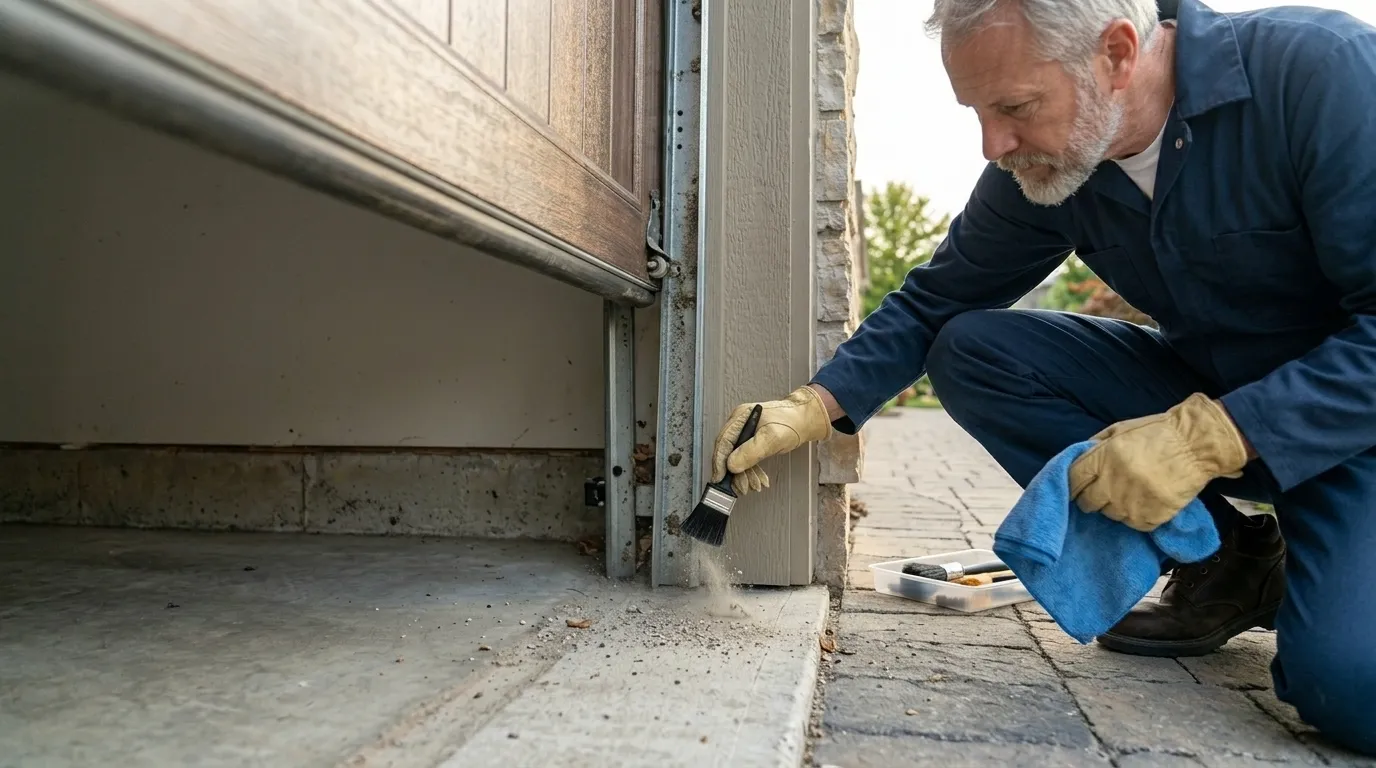
Winter is where the failures cluster. Florence sits in a cold-moderate climate band, not the brutal cold of the upper Midwest, but enough freeze-thaw cycling to stress metal that's already fatigued from decades of use in 1960s-70s built homes. A spring that's fine in October can snap in January, because steel loses flexibility as it cools, and the coldest snap of the season is usually the one that finds the weak link.
Spring brings its own trouble, though less dramatic: humidity swings can swell wood jambs and framing common on houses from the 1965-1988 era, making a door bind on the track that never gave trouble in dry weather. Summer heat isn't kind either. It expands metal tracks and can throw alignment off on doors that were never perfectly plumb to start with, a common issue on stock this old.
Fall is the calm before it starts again, and it's the best time to have a spring looked at, because once temperatures drop we get busier and parts for older torsion setups take longer to source. We don't keep every obsolete spring size on the truck. Some of what's original to a 1970s install has to be ordered, and that's the honest limitation here: hardware from that era means a short wait for the exact match, not a same-day swap.
When to Get Help
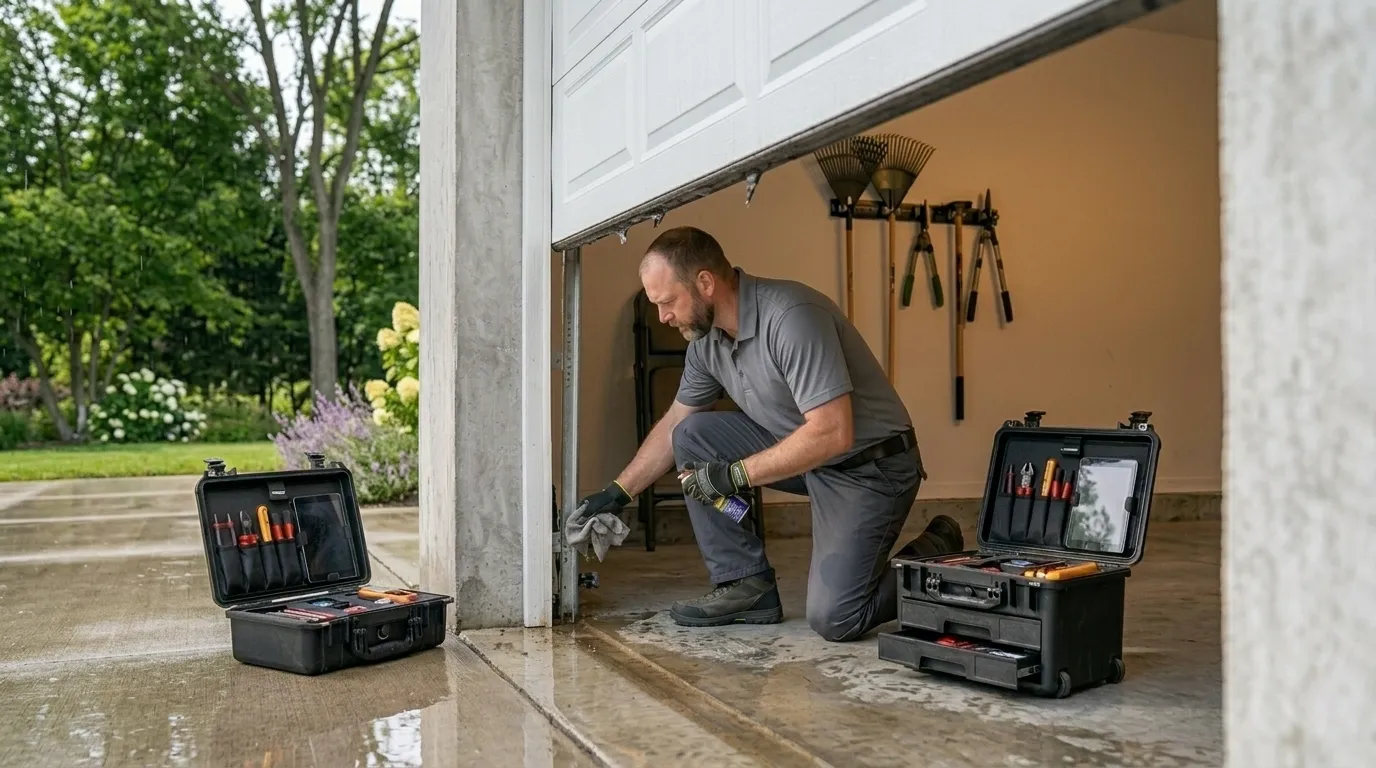
Call before the spring finishes failing, not after. A door that's slow to rise, that drifts down on its own, or that lets out a loud pop from the garage overnight is telling you the torsion spring is near its limit. On a house built in the 1965-1988 window, that spring has likely been rewound or replaced at least once already, and each cycle after the first replacement tends to fail faster than the last.
Get help immediately if the door won't stay up on its own. That's a broken spring, full stop, and forcing the opener to compensate burns out the motor next.
Get help soon, though not urgently, if one side of the door drops lower than the other when it closes. That usually means a cable or a spring on one side of a double door is starting to go, and it's cheaper to fix before the second side follows.
Skip the do-it-yourself spring swap. Torsion springs under tension can put someone in the hospital, and on houses this age the mounting hardware itself is often original and needs a look, not just the spring. That's not upsell talk, it's the actual risk with drums and shafts pushing fifty years old.
What Local Conditions Do
Put the housing age and the climate together and you get a predictable pattern across the area we cover, Florence proper plus the surrounding towns, including Timmonsville nine miles out, Darlington at ten, and Coward, Lamar, Pamplico, Lynchburg, and Scranton further still. All of them sit on the same building-era stock, mostly raised in the 1960s and 70s, and all of them get the same cold-moderate winter swings.
That combination means spring failures aren't random. They cluster in the same weeks every year, and they cluster on the same generation of hardware. It also shapes what kind of job most calls turn into.
With median household income at $31,240 across the area and the bulk of the housing stock decades old, most owners are choosing a spring repair or a hardware refresh over a full door replacement, and for a door that's structurally sound, that's usually the right call. Replacement makes more sense when panels are rusted through or a track is bent past adjustment, not just because a spring finally gave out. We don't push a new door on someone who doesn't need one.
How We Can Help
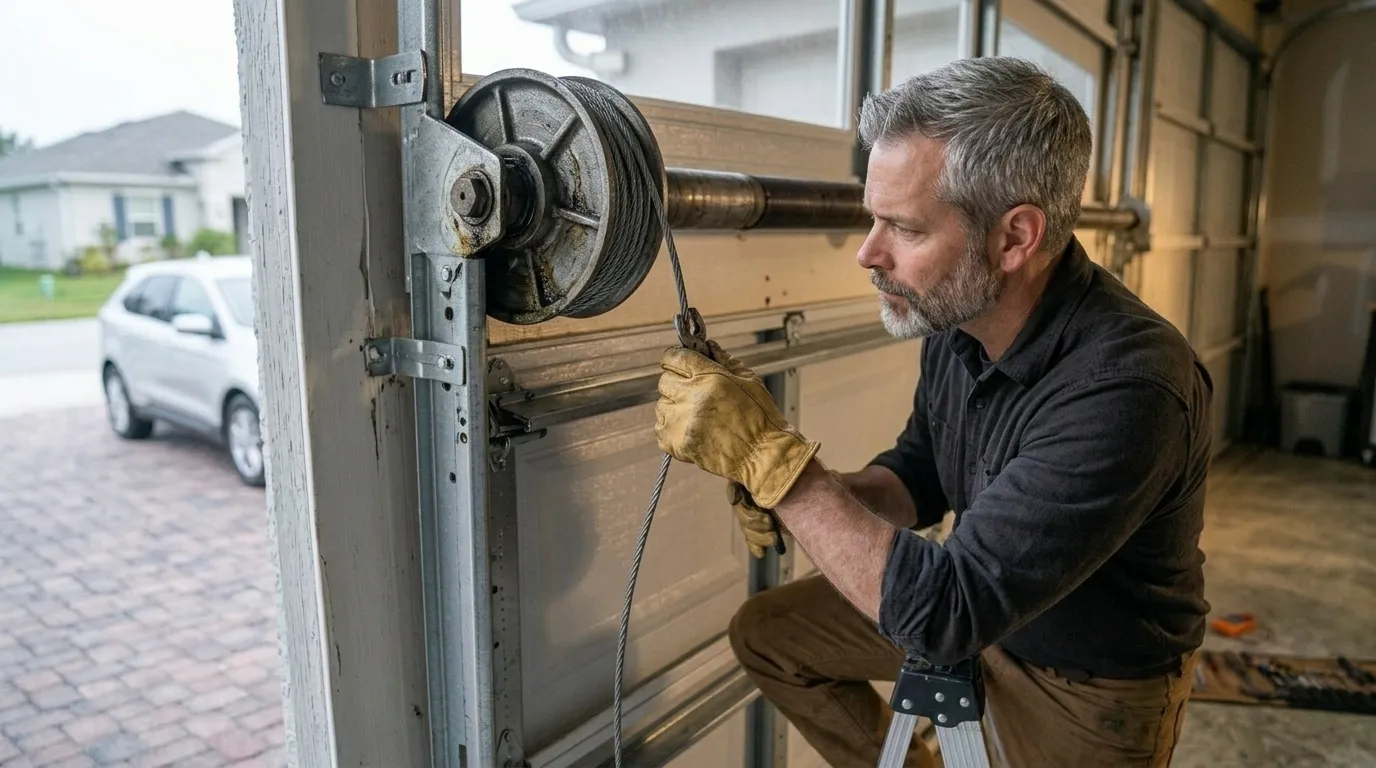
Garage Door Repair
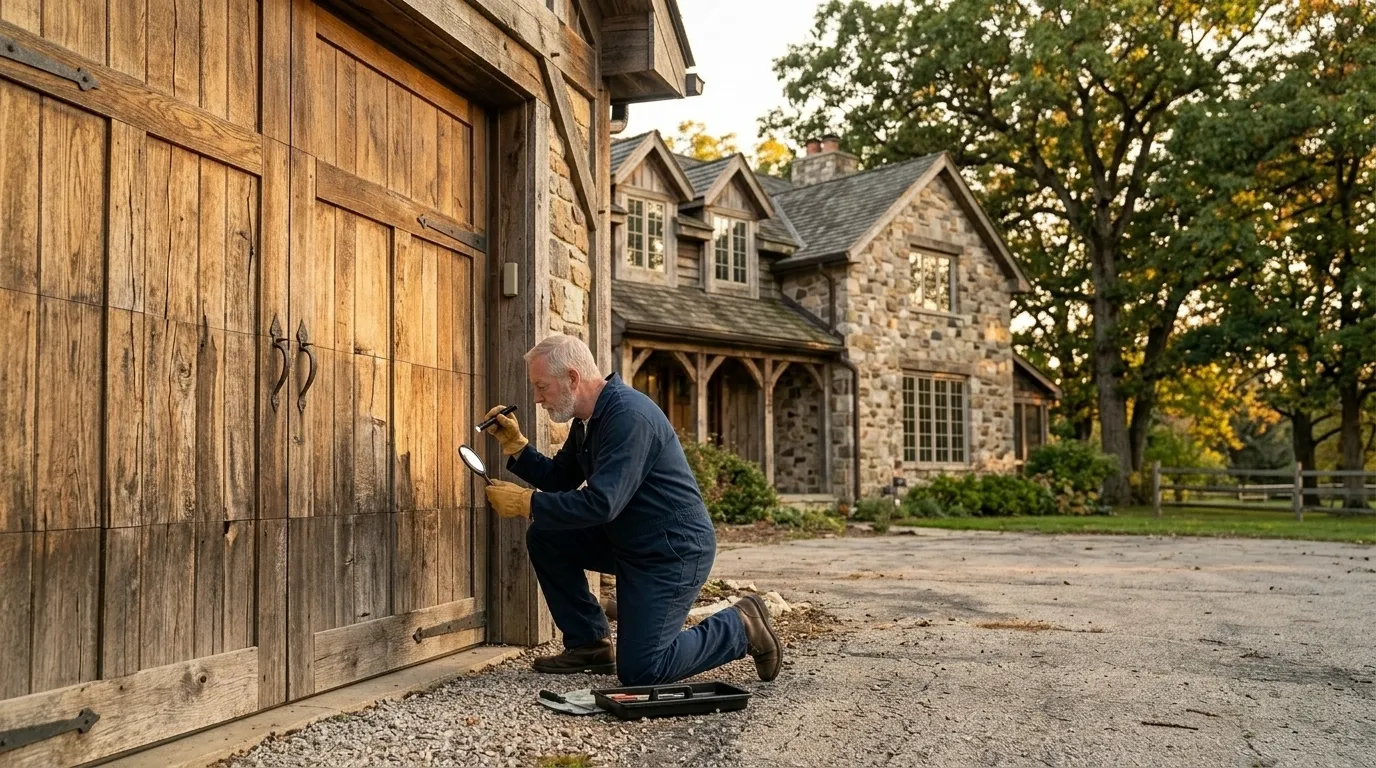
Springs, cables, tracks, rollers, and openers fixed by a tech who explains the problem before touching anything.
Learn more →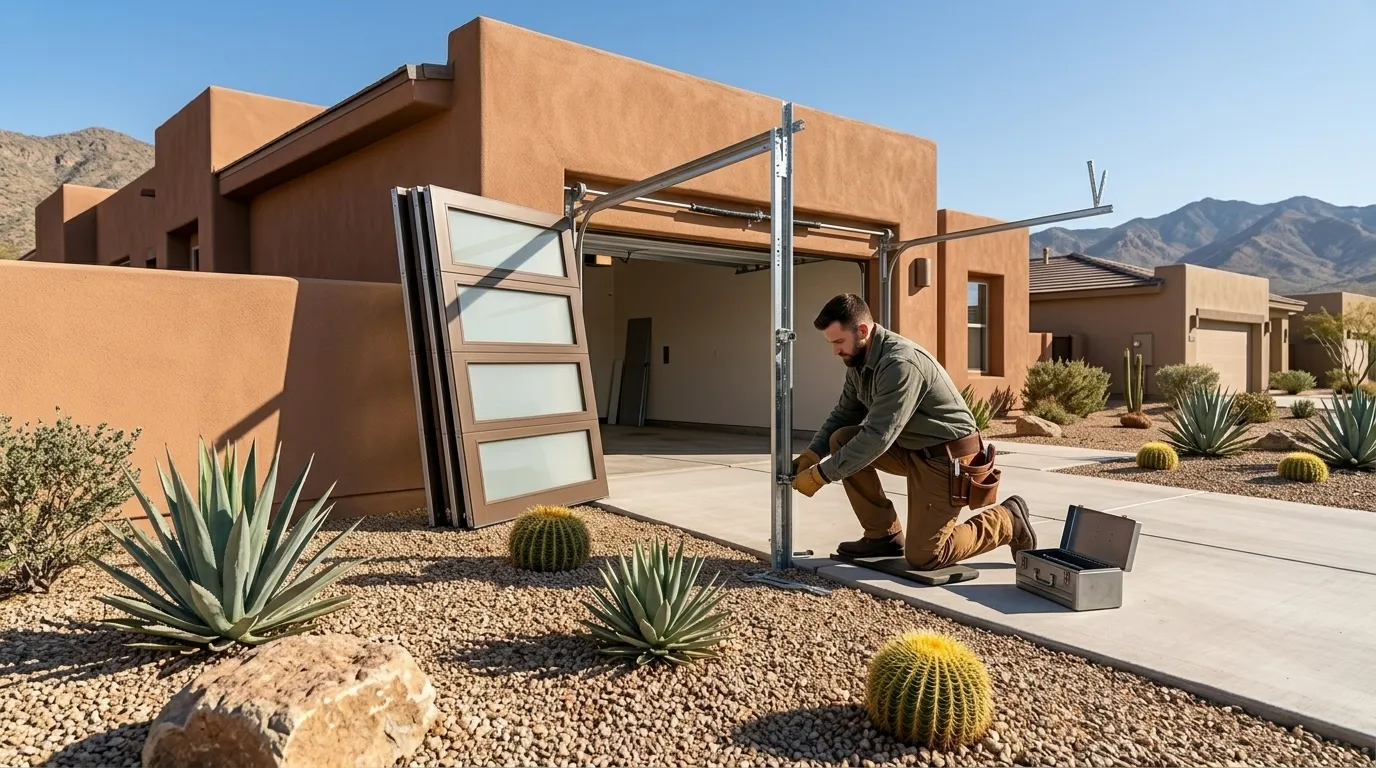
Garage Door Installation
New sectional doors sized and installed for the housing stock actually built in this area.
Learn more →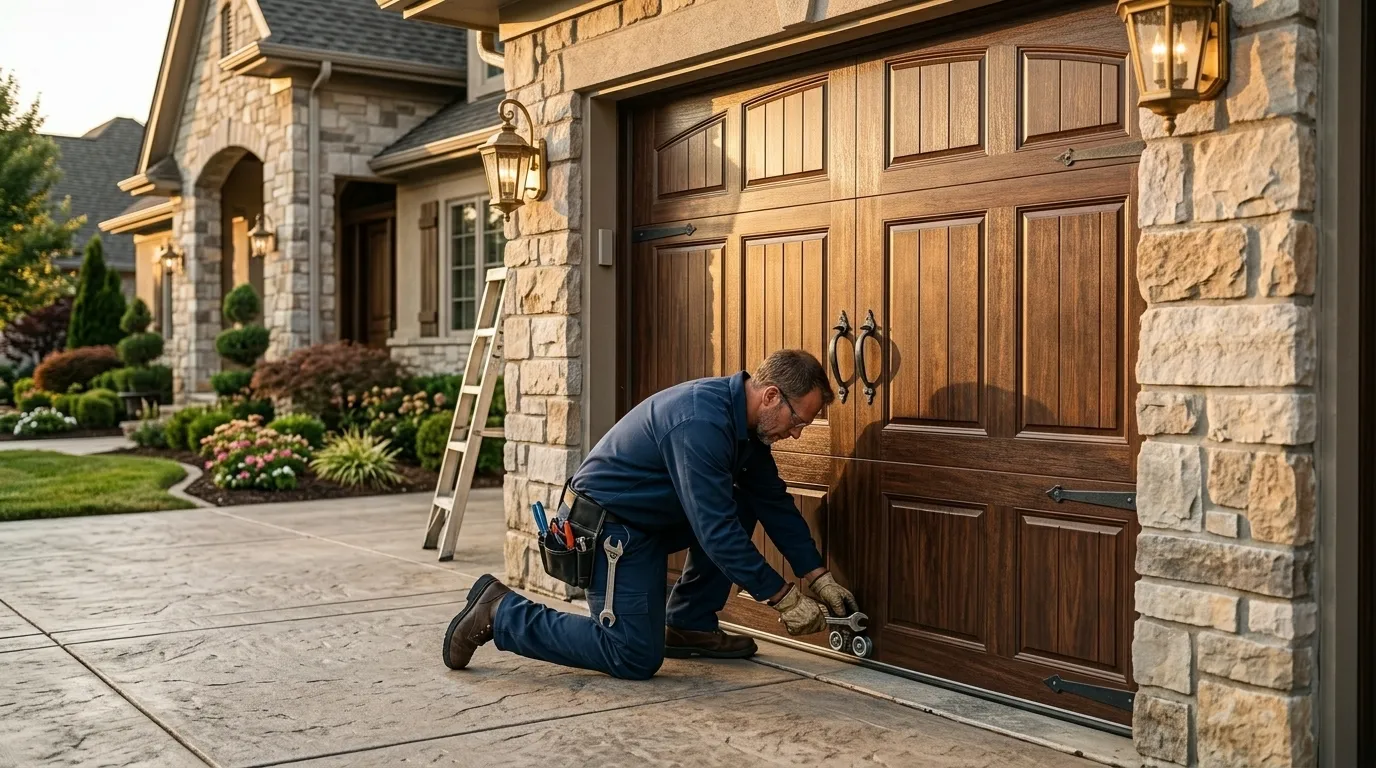
Garage Door Service
Tune-ups, lubrication, and safety checks that catch a small problem before it becomes a service call.
Learn more →Frequently Asked Questions
Why does my garage door spring always seem to break in winter?
Cold makes steel contract, and a torsion spring that's been cycling for decades in an unheated garage is already fatigued. Florence's cold-moderate climate band adds the temperature swing that finishes the job, so failures tend to hit hardest on the coldest mornings rather than spreading evenly through the year.
Is the hardware on my garage door original to the house?
If your house was built between 1965 and 1988, which covers most of the housing stock here, there's a real chance the torsion hardware is original or one replacement removed from it. That's worth knowing before a repair, since older drums and shafts sometimes need attention alongside the spring.
Do you work outside Florence itself?
Yes. We cover the surrounding area including Timmonsville, Darlington, Coward, Lamar, Pamplico, Lynchburg, and Scranton, all within about nine to eighteen miles of Florence and all built on similar 1960s-70s housing stock.
Should I fix the spring or replace the whole door?
For most houses in this area, a spring repair or hardware refresh is the right call when the door and track are otherwise sound. Replacement makes sense once panels are rusted through or the track is bent past adjustment, not just because a spring failed.
Have a Door That Needs a Second Opinion?
Call and describe what it is doing - we will tell you what it likely is.