
Florence Garage Door Guide
What Actually Happens on a Florence Service Call
A look at what a real service call checks on Florence homes built mostly 1965-1988, from spring tension to track alignment in cold-moderate winters.
The Problem
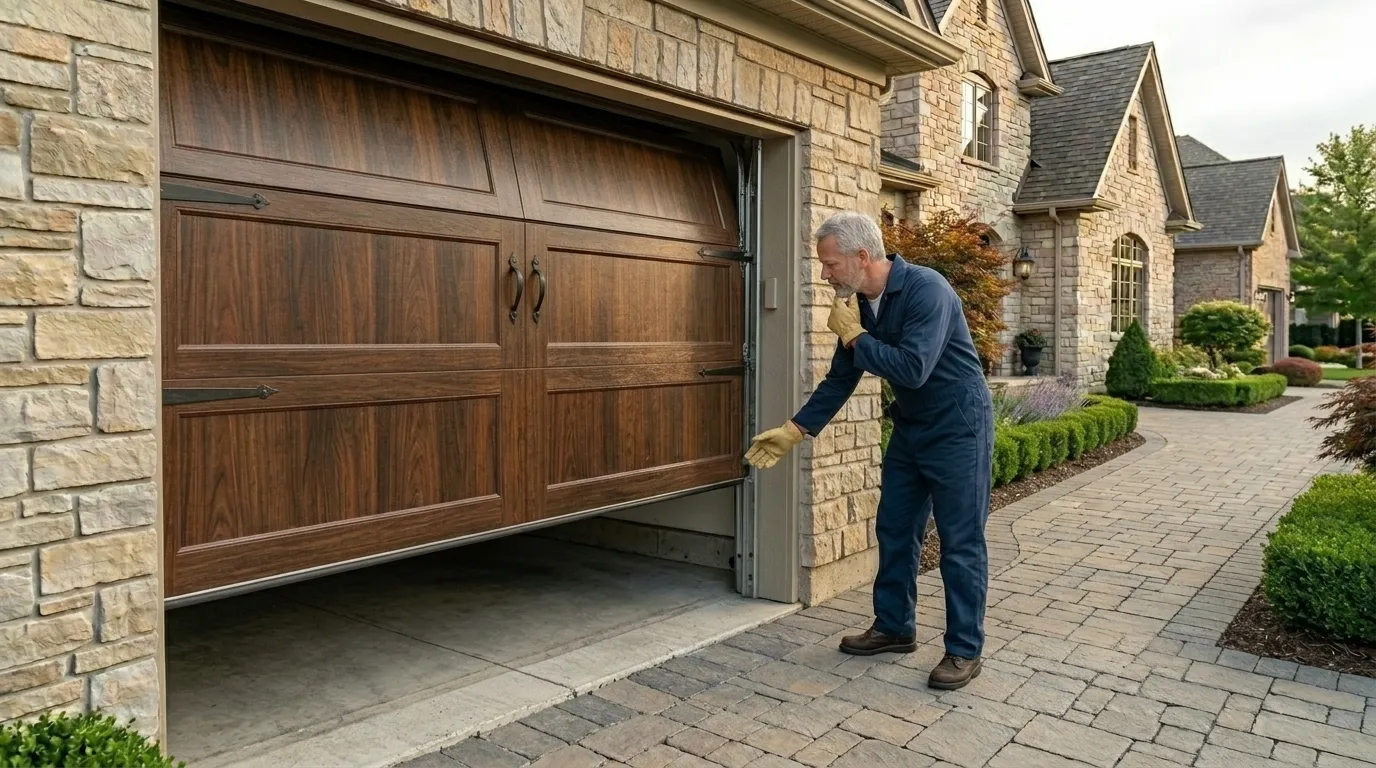
Most of the doors we get called on in Florence sit on houses built between 1965 and 1988, with the bulk of that stock going up through the 1970s across the seven areas we work - median year is 1977. That means original hardware is pushing fifty years old in a lot of cases: torsion springs that have cycled tens of thousands of times, tracks bolted to framing that's shifted a little with the house, openers that got swapped once in the 90s but never had the travel limits reset to match a repainted or re-insulated door. A service call on a house like this isn't guesswork.
We're checking spring wind count against door weight, checking whether the track was ever adjusted for a door panel replacement, and checking whether the opener's force settings were ever touched after that swap. On a newer door we'd expect less of this. Here, the hardware age is usually the actual problem, not a symptom of bad use.
We also see it tied to income levels in the area - median household income here runs around $31,240, which means a lot of owners are stretching a repair as far as it'll go before replacement, and a call has to be honest about which side of that line the door is actually on.
Season by Season
Florence sits in a cold-moderate climate band, not the deep freeze territory further north, but enough temperature swing across the year to matter for steel doors and old springs. Late fall into winter, cold air makes worn springs and dry rollers noisier and stiffer before they fail outright - that's when a spring that's been fine all year finally gives out on a cold morning. Spring and summer bring humidity and heat expansion, which can tighten up a track that was already slightly out of line from decades of settling on 1970s-era framing.
We don't get hard freeze-thaw damage like you'd see further north, but the moderate swings still work on old torsion springs and worn cable year after year. A service call in January looks a little different from one in July - in winter we're checking for spring fatigue and cold-stiffened lubrication, in summer we're checking panel expansion and track binding. Neither season lets old hardware coast.
When to Get Help
Call before the door won't open at all. A spring on a house built in this era has usually had one replacement at most, sometimes none, and once it starts making a grinding or popping sound on the way up, it's close to the end, not the beginning of a problem. Same with cables that look frayed at the bottom bracket - that's not a five-more-years part.
We serve the area out to Timmonsville, Darlington, Coward, Lamar, Pamplico, Lynchburg, and Scranton, all within about 9 to 18 miles of Florence, and travel time is part of why calling early matters - a same-day fix beats a call that turns into an after-hours emergency once the spring lets go completely. One honest limit: if the opener itself is the original 1980s unit with a burned-out motor, we're not going to pretend a repair is worth it over replacement. Some parts for units that old simply aren't stocked anymore, and a service call will tell you that plainly instead of billing you for a patch that won't hold.
What Local Conditions Do
With around 5,077 households in the service area and roughly 2,183 of those owner-occupied houses, we see a consistent pattern: doors installed once, in the original building wave, and rarely upgraded since. That means a service call here spends real time on things a newer-construction call skips - checking whether the header above the door has sagged enough to throw the track out of square, checking whether the bottom seal was ever replaced after decades of the cold-moderate swings drying it out, checking whether a panel dent from years back has finally started pulling on the roller track.
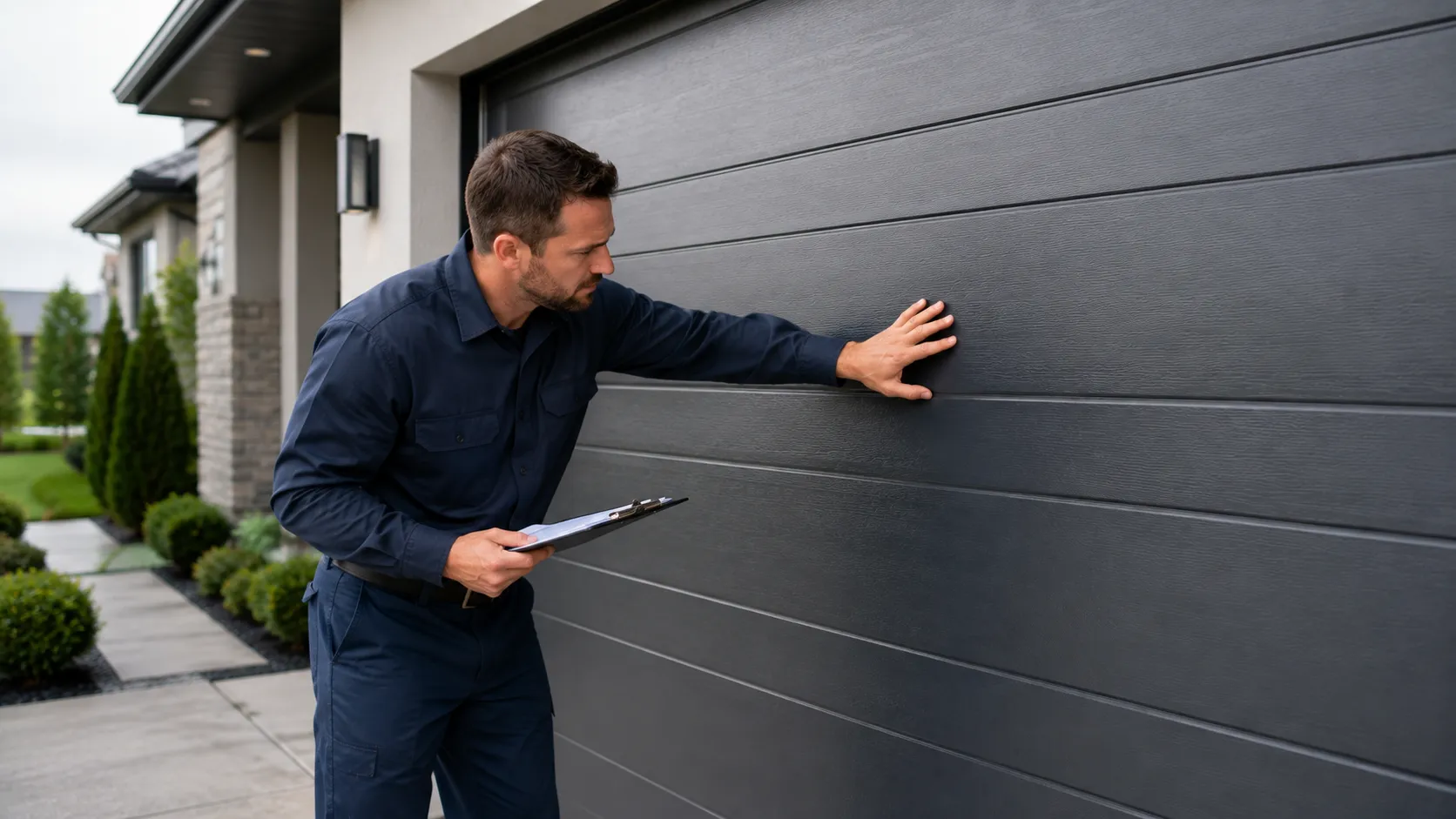
None of that shows up on a five-minute glance. It's why we walk the full door, top to bottom, on every call in this area rather than just tightening the one bolt that's making noise that day.
How We Can Help
Garage Door Repair
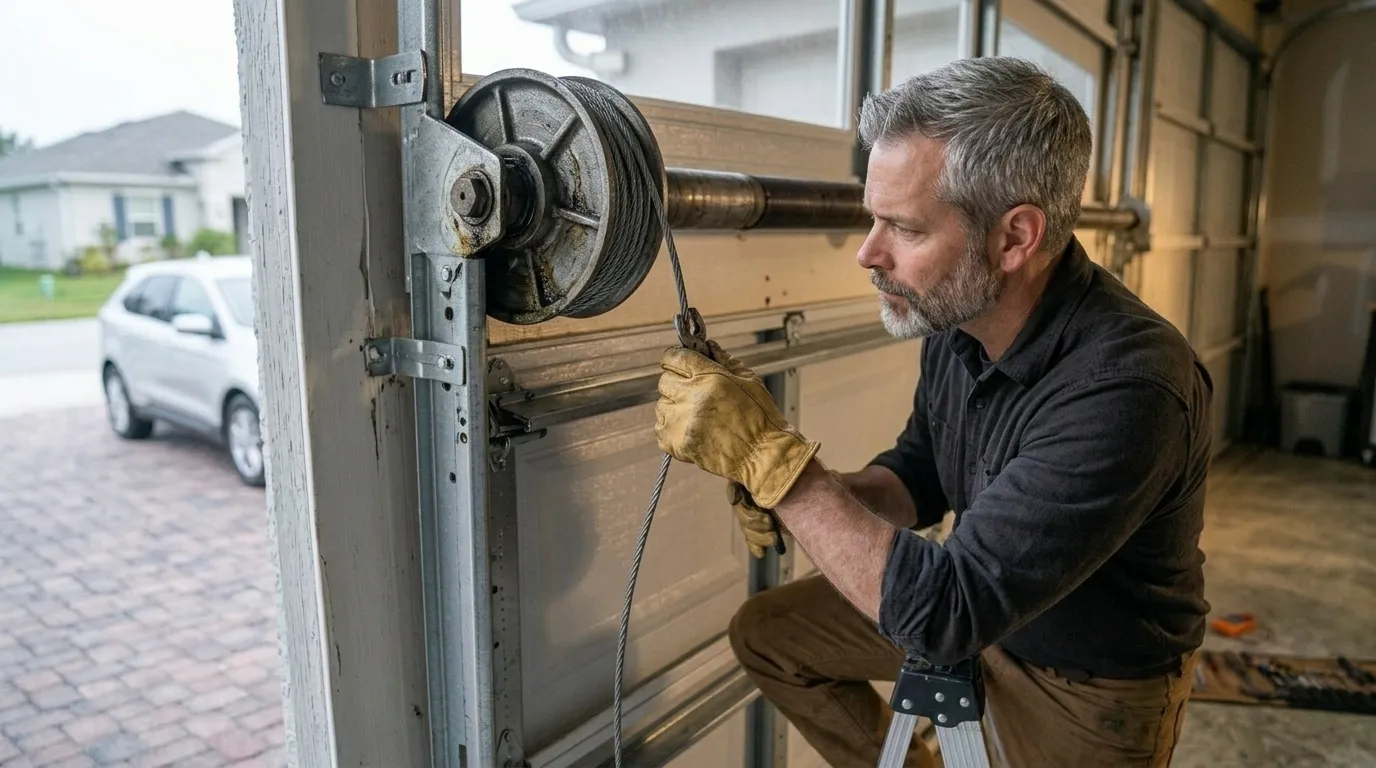
Springs, cables, tracks, rollers, and openers fixed by a tech who explains the problem before touching anything.
Learn more →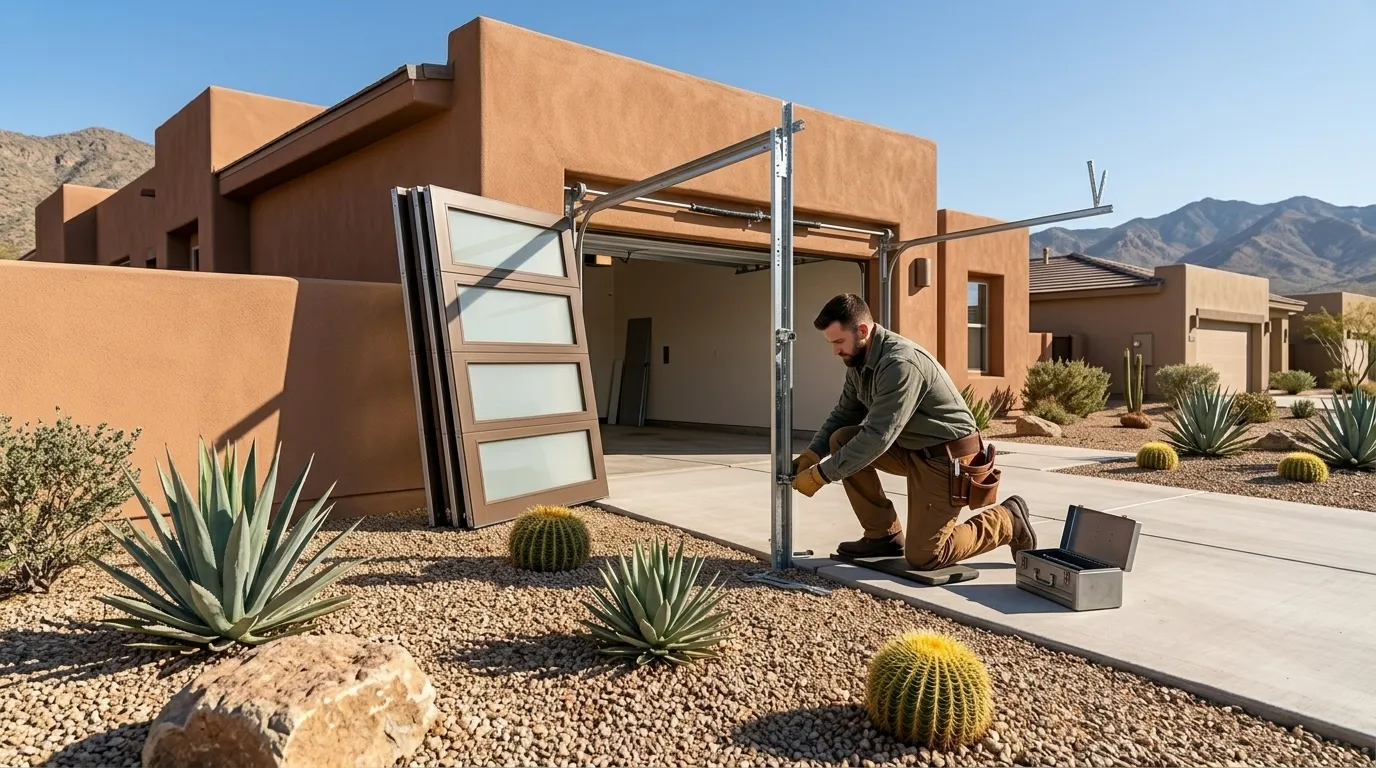
Garage Door Installation
New sectional doors sized and installed for the housing stock actually built in this area.
Learn more →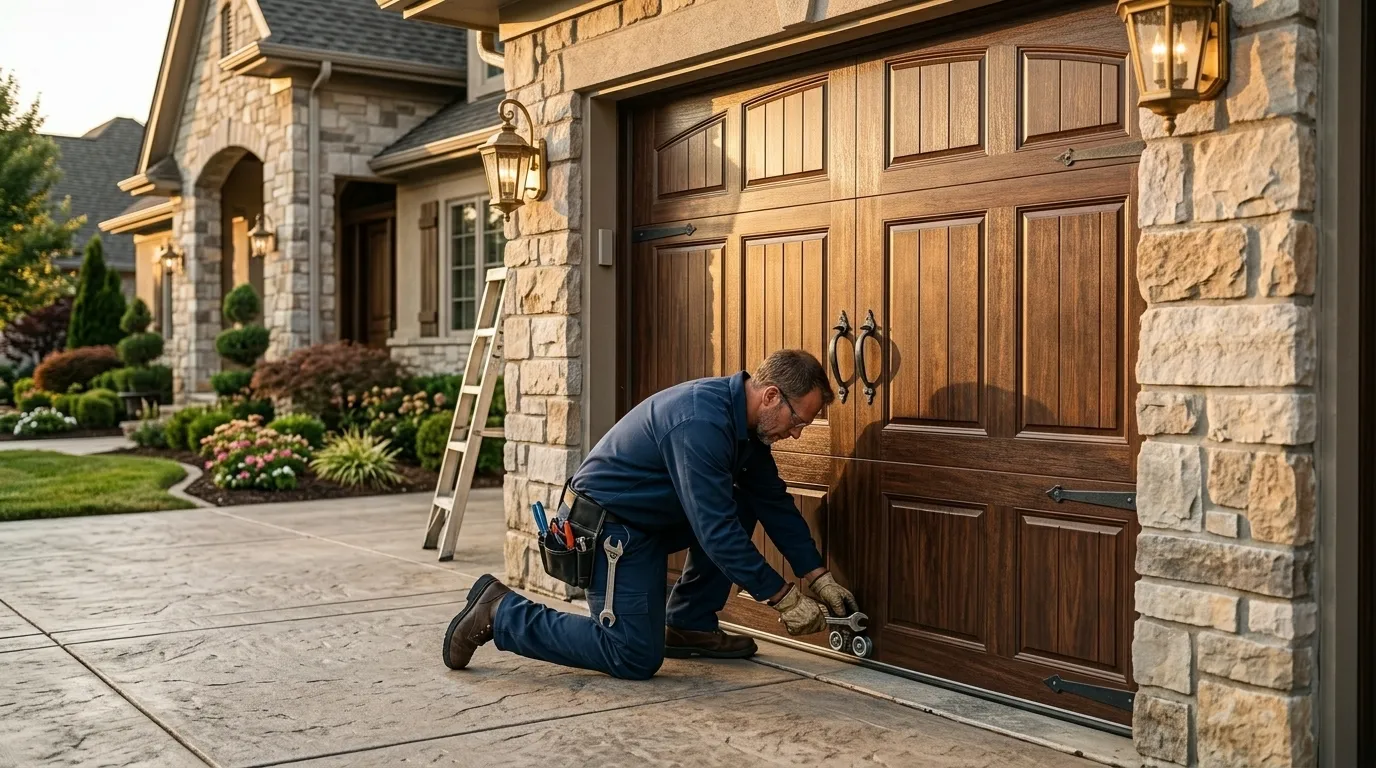
Garage Door Service
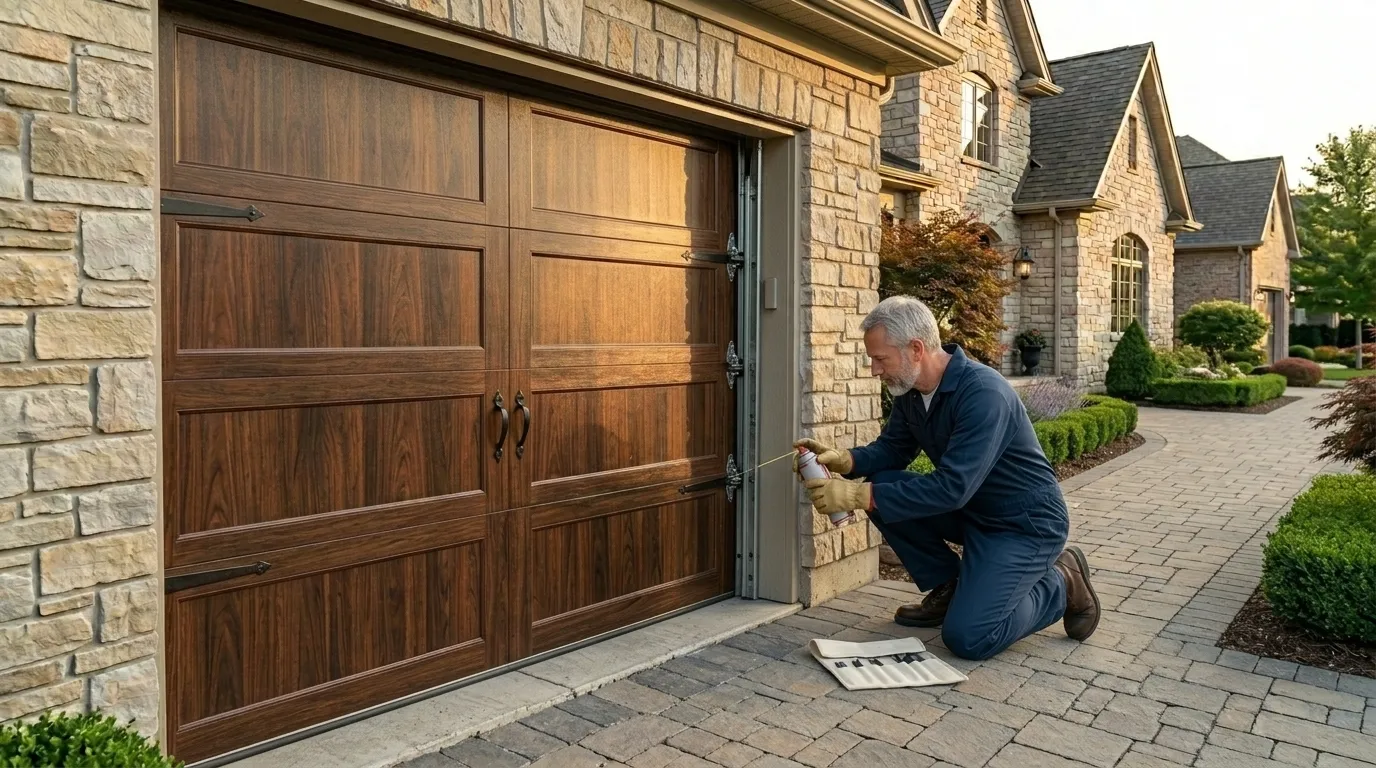
Tune-ups, lubrication, and safety checks that catch a small problem before it becomes a service call.
Learn more →Frequently Asked Questions
Why does my spring keep failing even though I had it replaced a few years ago?
On houses in this area built mostly in the 1960s-70s, the surrounding hardware - track, bearing plates, cable drums - is often original even after a spring swap. If those parts are worn, the new spring carries uneven load and fails faster than it should. A full check catches that instead of just replacing the spring again.
Does Florence's climate affect garage door maintenance?
We're in a cold-moderate band, not extreme cold, but the seasonal swing still stiffens old lubrication in winter and expands metal panels in summer heat. On a door with original 1970s-era hardware, that cycle adds up over decades even without a hard freeze.
Is it worth repairing an opener that's original to the house?
Depends on the unit. If it's the original motor from a house built in the 1965-1988 range, parts availability is often the deciding factor, not cost. We'll tell you straight if a repair isn't worth it over replacing the opener.
How far out do you go for a service call?
We cover Florence and out to Timmonsville, Darlington, Coward, Lamar, Pamplico, Lynchburg, and Scranton - roughly 9 to 18 miles. Travel time is one more reason to call at the first odd noise rather than waiting for a full failure.
Have a Door That Needs a Second Opinion?
Call and describe what it is doing - we will tell you what it likely is.