
Florence Garage Door Guide
Why Florence's 1965-1988 Housing Stock Fights You Every Winter
Florence homes from 1965-1988 came with garage doors made before insulation codes existed. Here's what that means for your door through a cold moderate winter.
The Problem
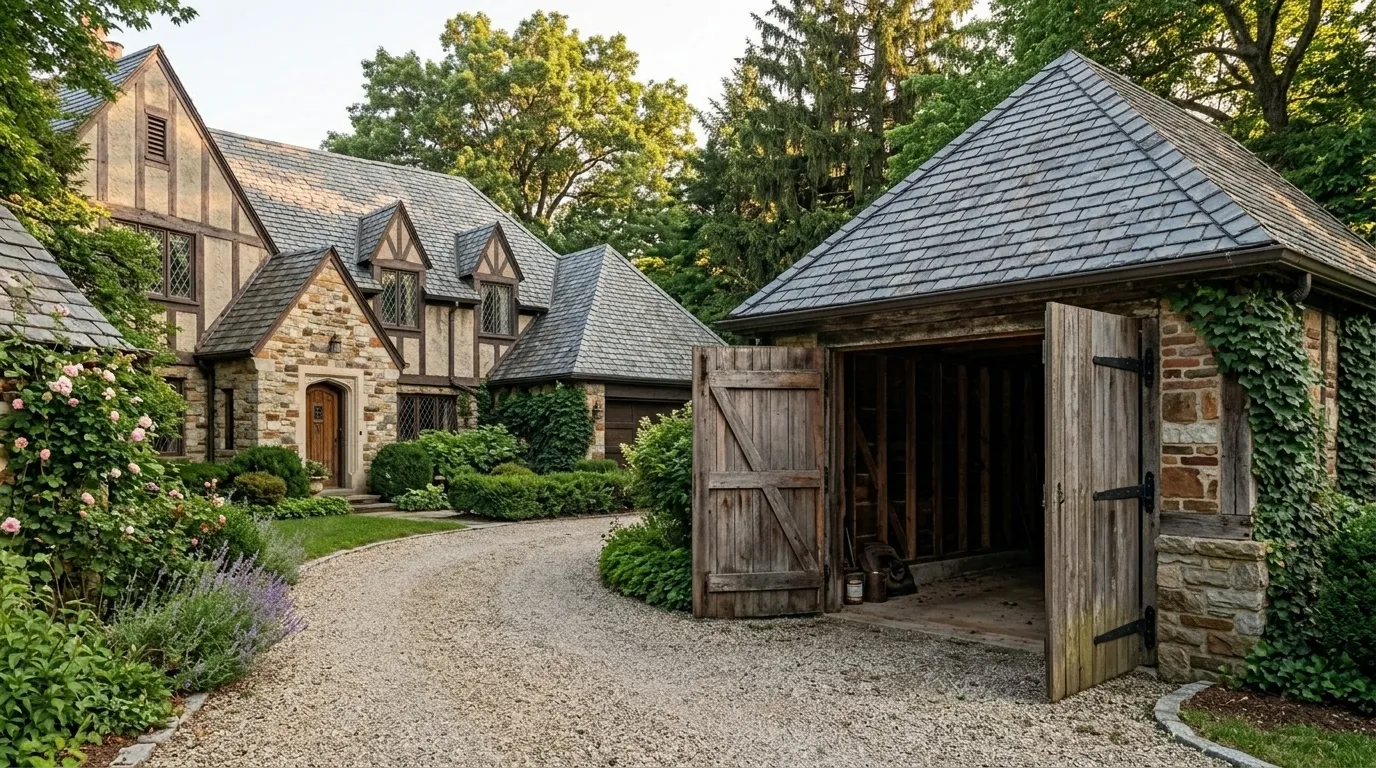
Most houses in and around Florence went up between 1965 and 1988, with the median build year landing around 1977. That run of construction happened before any insulation requirement touched garage doors.
Builders across the seven main areas of town hung single-layer steel or hollow-panel doors because nobody was required to do otherwise. There's no vapor barrier, no foam core, sometimes no weatherstrip channel worth the name.
That matters because a door built to 1970s code was never asked to hold heat in or keep damp air out. It was asked to open, close, and keep the rain off. In a climate that swings cold enough to stress old hardware but isn't brutal enough to force a rebuild, that gap between what the door does and what the house now needs just sits there, year after year, doing nothing.
We see the same panel style and the same track hardware on house after house because the building boom that produced Florence's housing stock ran on a handful of standard designs. That consistency helps us diagnose fast, but it also means if your neighbor's spring failed at year 45, yours is on the same clock.
Season by Season
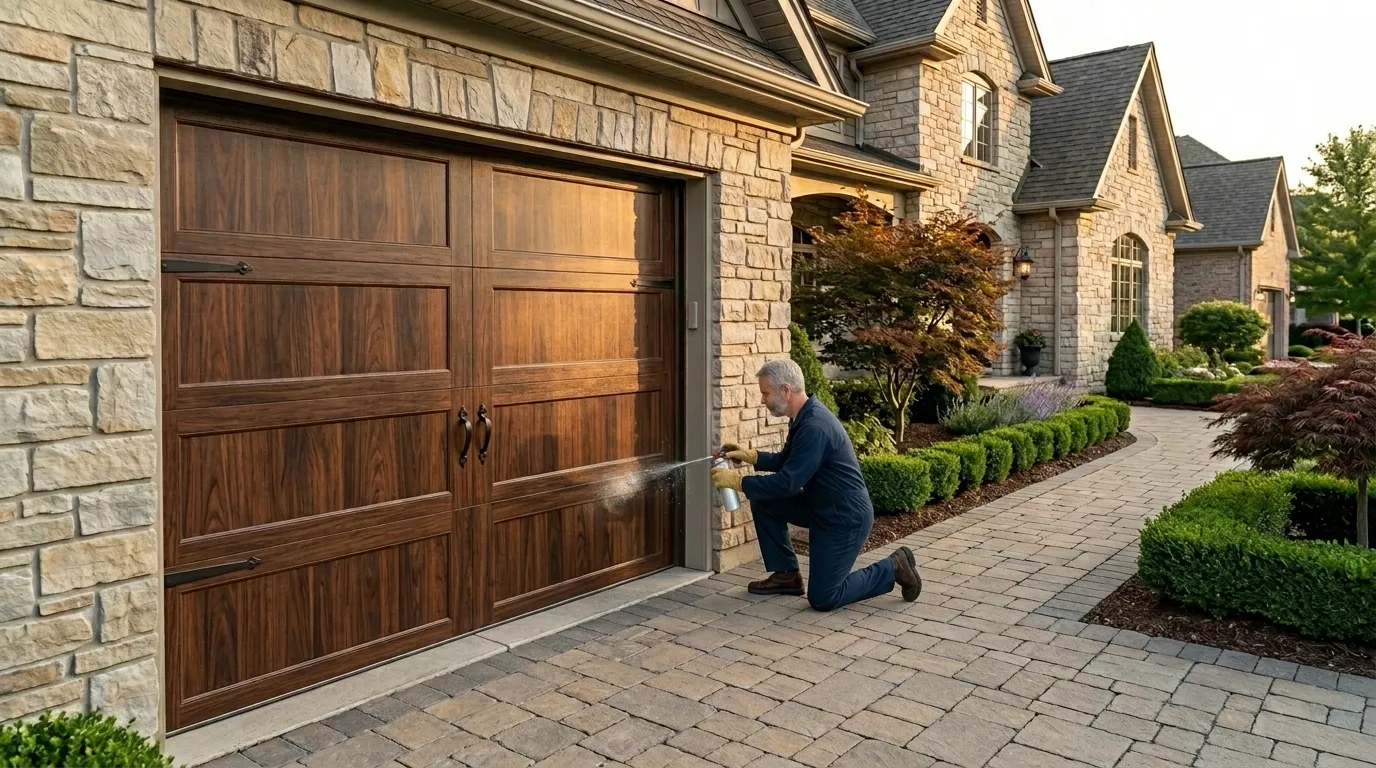
Florence sits in a cold-moderate band, not a deep-freeze one, which changes what actually breaks and when. Cold snaps aren't long enough to crack a slab the way they do further north, but they're sharp enough to stiffen old lubricant on a torsion spring overnight. That's when a 1970s-era door that's coasted along all fall suddenly won't lift, or lifts crooked.
Coming out of winter, the swing back to humid air is hard on original wood-trim jambs and any door that never had a proper seal at the bottom. Panels that were fine in December start dragging on the track in April because the frame around them has shifted with the moisture change.
Summer here doesn't punish a door the way a true hot climate does, but the temperature swing between a closed, sun-heated garage and a cool morning still works on old fasteners and hinge pins. None of this is dramatic. It's slow wear on hardware that was never built with a service interval in mind, because nobody in 1977 was writing one.
When to Get Help
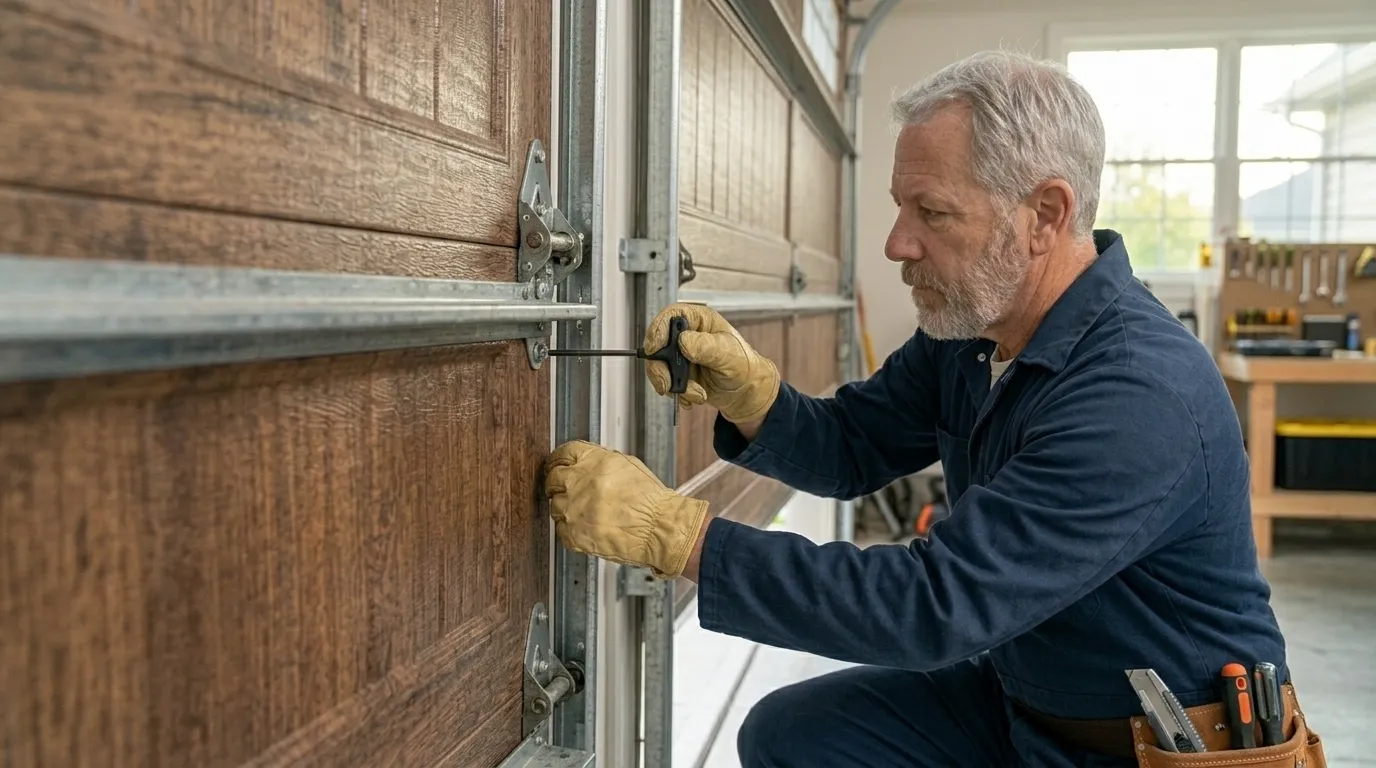
Call before the spring fully goes, not after. A torsion spring on a door this age is usually the original, and when it lets go on a door with no modern safety cable, it comes down hard - on a car, a hand, whatever's underneath. If the door feels heavier than it used to when you lift it by hand with the opener disconnected, that's the spring telling you first.
We won't pretend every old door is worth saving. A hollow-panel door from the 1965-1988 run that's rusted through at the bottom panel or racked in the track is often cheaper to replace than to keep patching, especially once you add up two or three service calls. We'll tell you straight when that line has been crossed instead of running the meter.
If the door won't seat flush at the bottom, or you hear a grinding pop when it travels, that's track or roller failure starting, not a lubrication problem. Those calls are worth making before the door binds completely and strands a car inside.
What Local Conditions Do
With 2,183 owner-occupied houses in a service area of 5,077 households, and a median household income of $31,240, most of the garage doors we work on aren't getting swapped out on a whim. People here fix what they have, which is the right instinct on a door that's structurally sound but starting to show its age.
That's also why we lean hard on diagnosing what's actually wrong before quoting a repair. A door built in the 1970s with no insulation core isn't a lost cause - a new bottom seal, correct spring tension, and aligned track will get another decade out of it in this climate. What it won't do is perform like a door built to a modern energy code, and we're not going to tell you otherwise.
One honest limit: if a part on your specific door hasn't been made in twenty years, we may have to order a compatible substitute rather than an exact match, and that can add a few days to the job.
How We Can Help
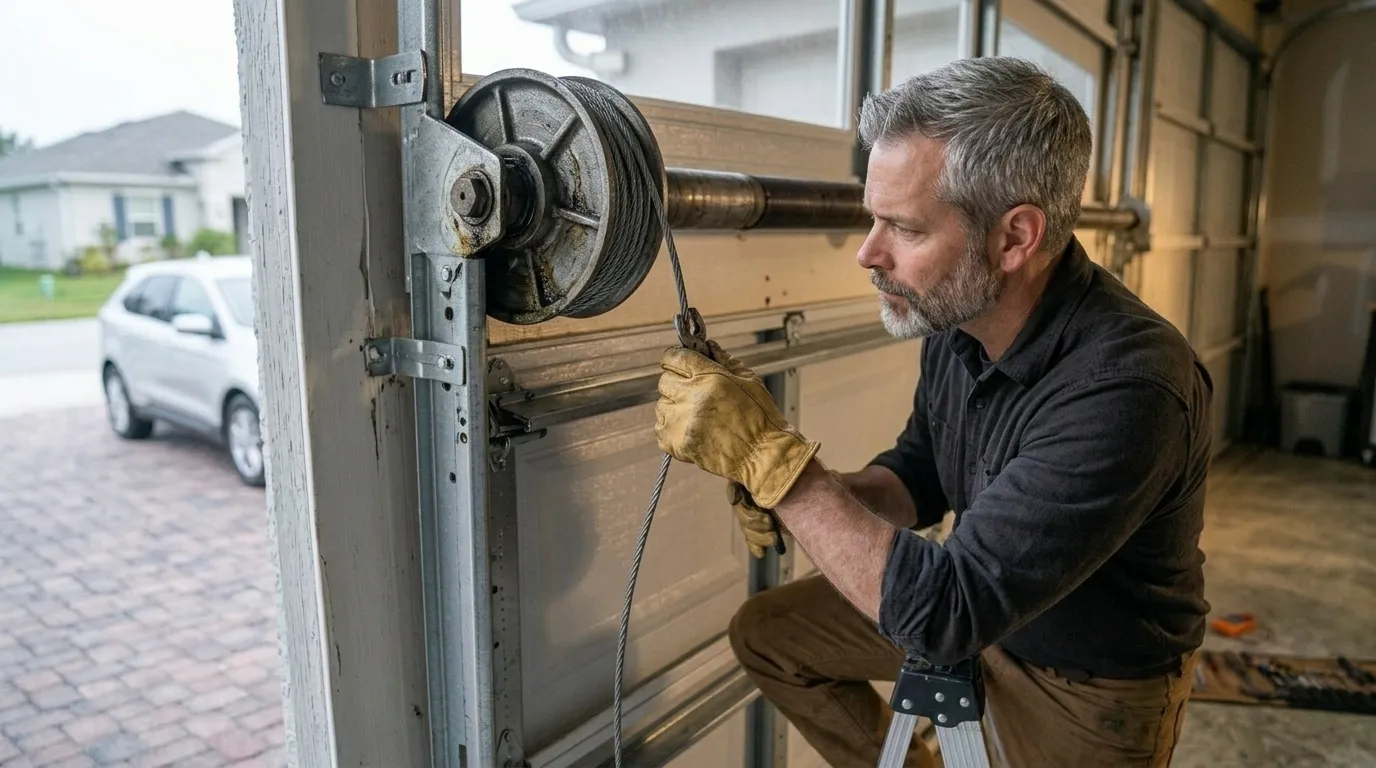
Garage Door Repair
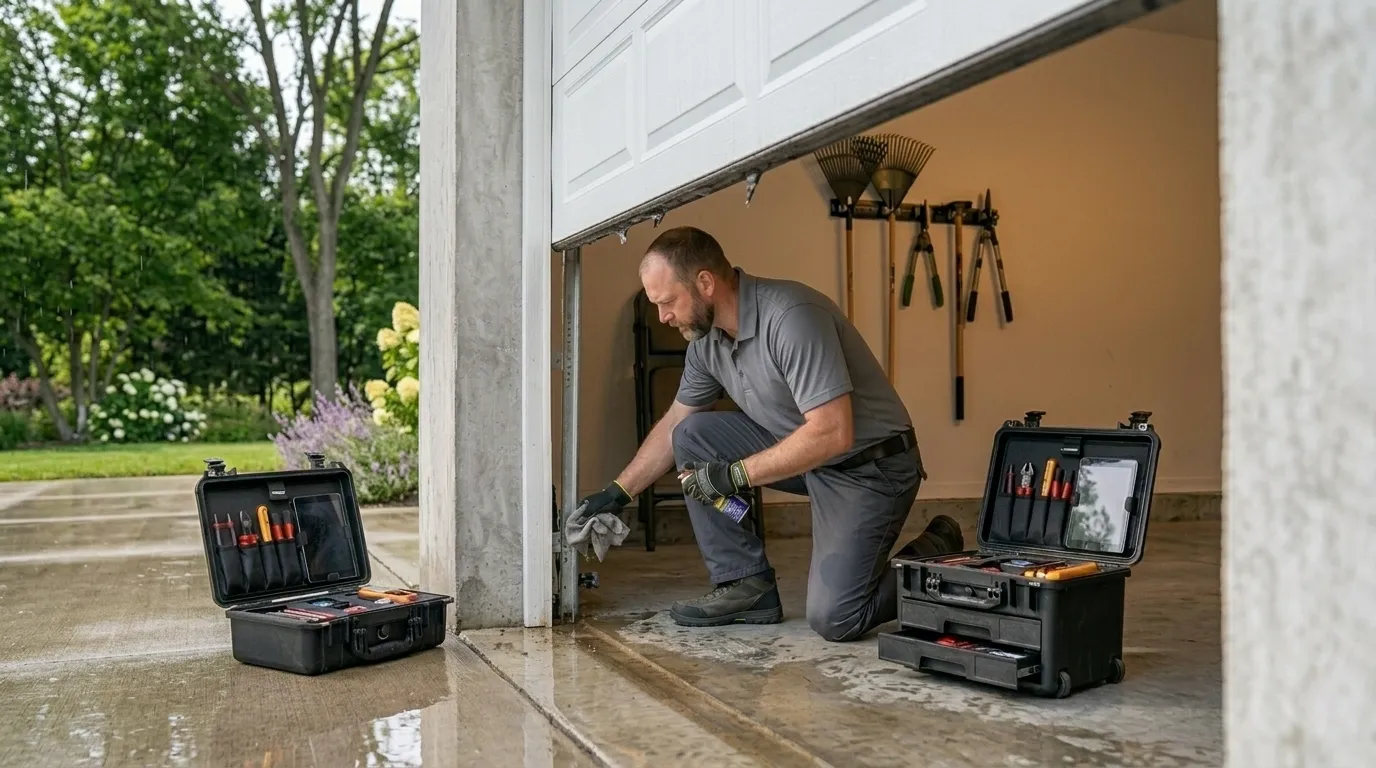
Springs, cables, tracks, rollers, and openers fixed by a tech who explains the problem before touching anything.
Learn more →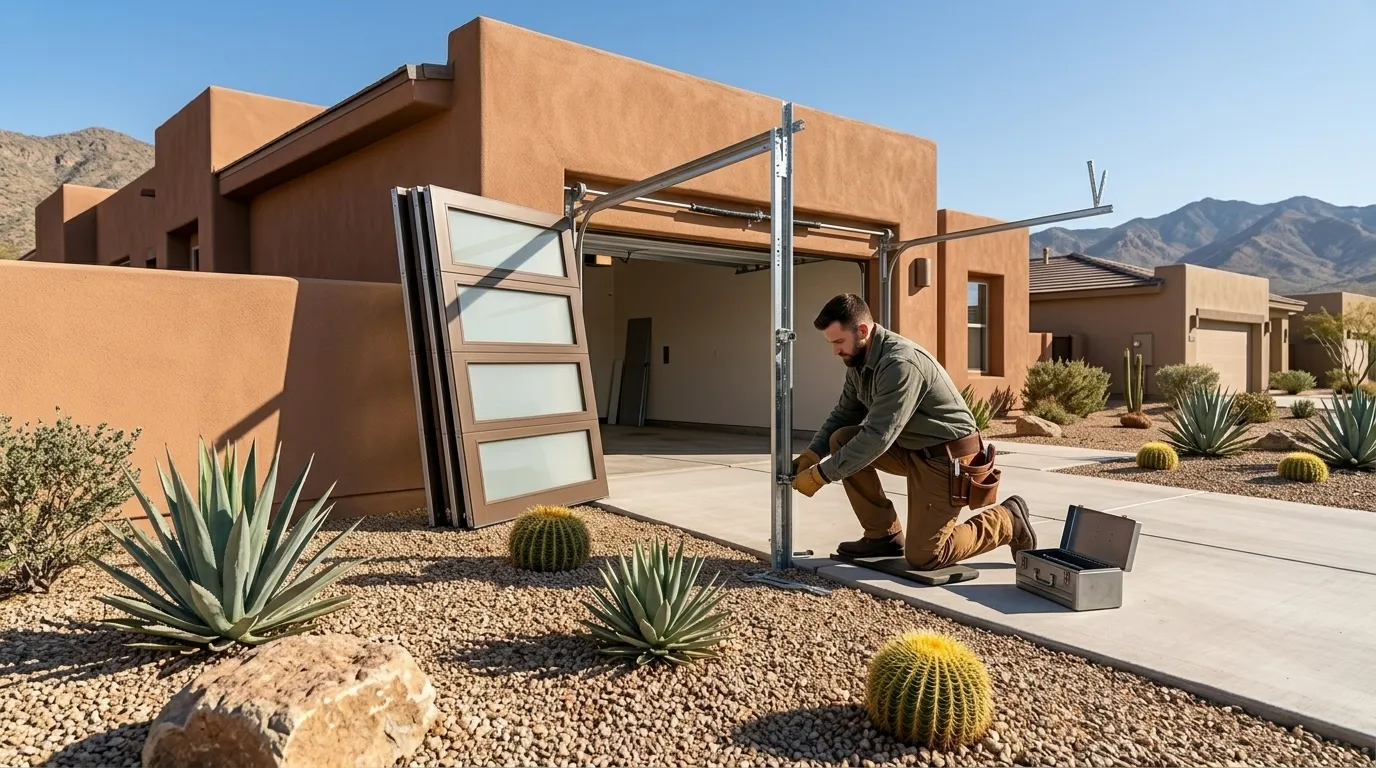
Garage Door Installation
New sectional doors sized and installed for the housing stock actually built in this area.
Learn more →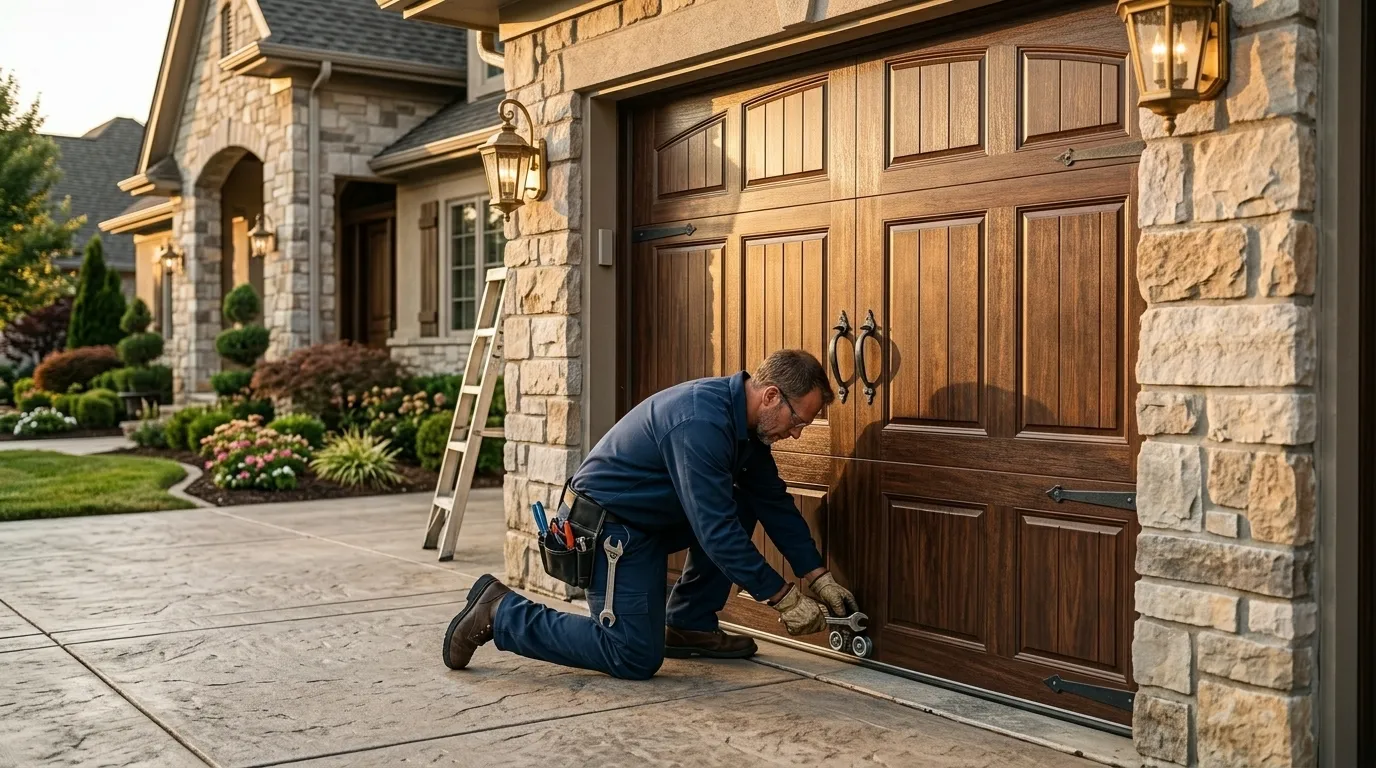
Garage Door Service
Tune-ups, lubrication, and safety checks that catch a small problem before it becomes a service call.
Learn more →Frequently Asked Questions
Why does my garage door feel heavy to lift every winter?
On a house from the 1965-1988 stock, that's almost always the original torsion spring stiffening up in cold weather, or losing tension after decades of cycles. It's not something to force past - a spring under load that finally breaks can cause real damage. Get it checked before you keep lifting it by hand.
Is it worth insulating an old garage door instead of replacing it?
Sometimes. If the panels, track, and hardware are sound, an insulated retrofit kit can help with the cold-moderate swings we get here without the cost of full replacement. If the door is already rusted or racked, that money is better spent on a new one.
How do I know if it's the opener or the door itself?
Disconnect the opener and lift the door by hand. If it's heavy, uneven, or won't stay up on its own, the problem is spring tension or track alignment, not the opener. If it lifts smoothly by hand but the opener won't run it, that's a separate electrical or gear issue.
Have a Door That Needs a Second Opinion?
Call and describe what it is doing - we will tell you what it likely is.