
Florence Garage Door Guide
When Is a Garage Door in Florence Actually Done
Florence homes built between 1965 and 1988 often still have their original garage doors. Here's how to tell if yours is worth repairing or ready to replace.
The Problem
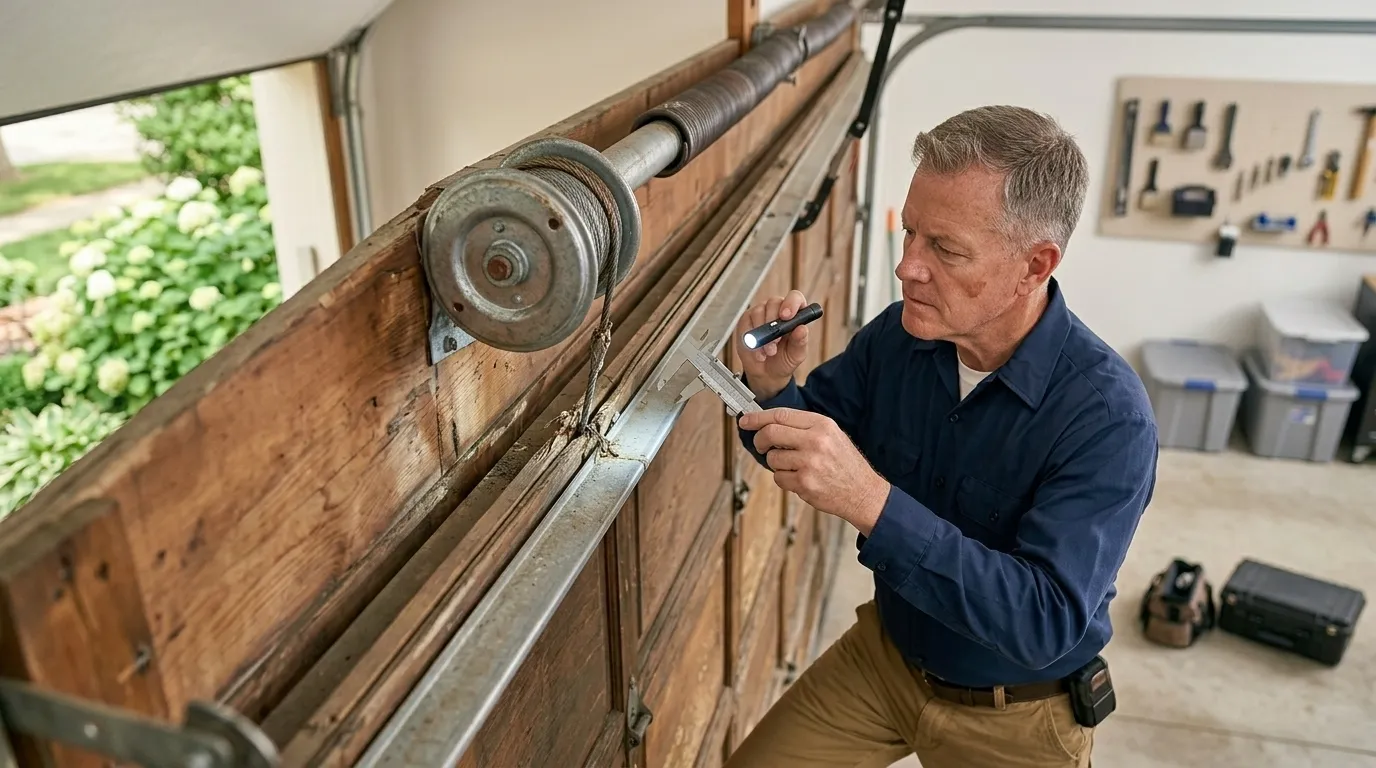
Most houses in this service area went up between 1965 and 1988, with the median build year sitting at 1977. That means a lot of the doors we get called out on aren't the door that came with the house anymore, but they're close to it - same track spacing, same hardware pattern, same undersized spring for a heavier steel slab someone swapped in twenty years ago. Across the seven named areas that make up this stretch of the county, the stock is mostly 1960s and 70s construction, which means the openings themselves are often a size you don't see on new builds.
That's not a problem until a panel cracks and the replacement part has to match an opening nobody frames that way anymore. A door installed the year this area's median home went up, 1977, is now pushing fifty years old, well past any spring's rated cycle count. The honest answer is that a lot of these doors are still fixable - torsion springs, rollers, and cables are standardized enough that age alone doesn't kill a repair.
What kills a repair is a bent track or a warped panel on a door frame that's out of square, and on houses this old, that's common enough to check for every time.
Season by Season
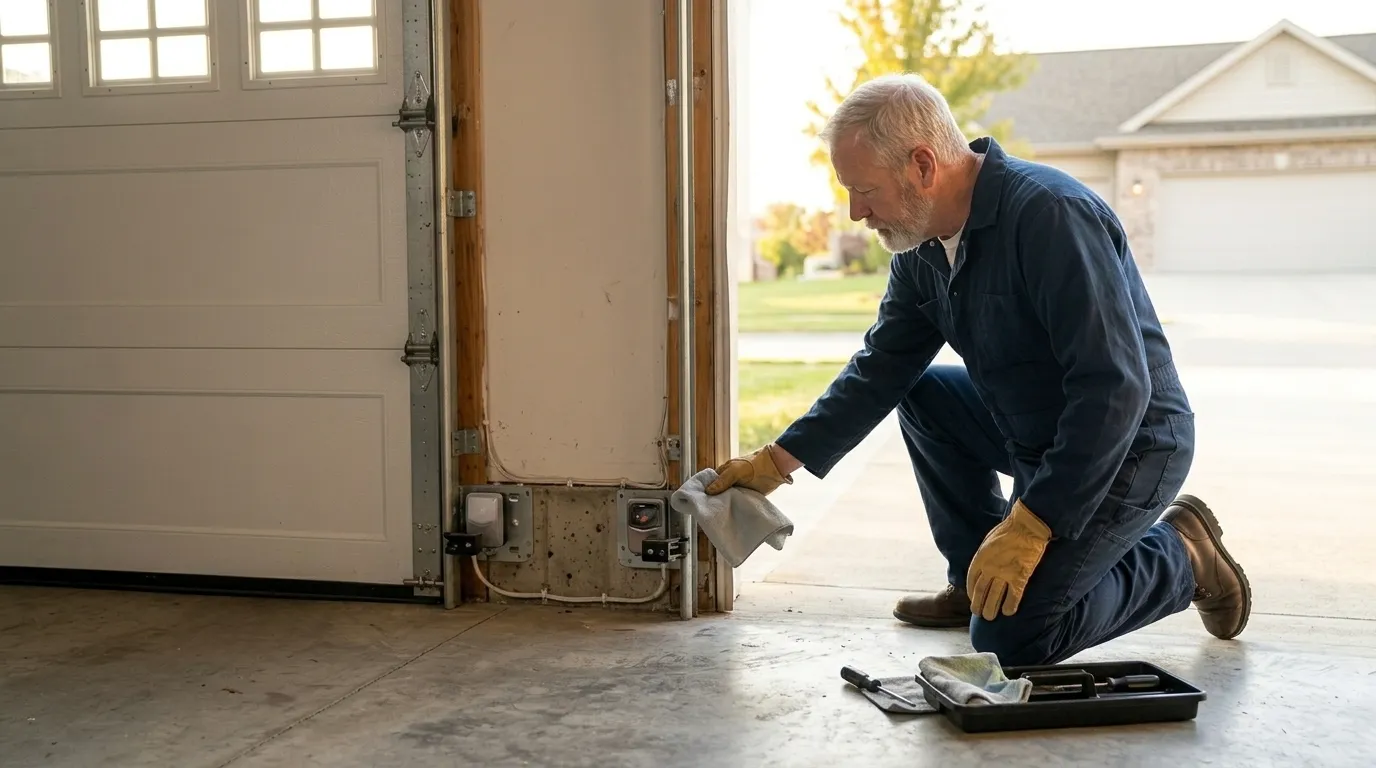
Florence sits in a climate band that federal data marks as cold-moderate, meaning steel doors here see real freeze-thaw swings without the brutal winters of the northern tier. That's enough to matter on a door with original weatherstripping. Cold snaps stiffen nylon rollers and tighten steel panels just enough to change how a torsion spring balances the door - a door that swung easy in October can bind in January.
It's usually the spring tension, not the opener, and it's a five-minute adjustment if someone catches it early. The rest of the year does its own damage more slowly: humidity swings work on wood trim and steel panel seams the same way they work on anything else built in this decade, cycle after cycle, until a seam that used to seal tight starts letting light through at the bottom corner. None of this is dramatic.
It's wear that shows up as a slightly heavier door, a spring that groans on the last foot of travel, or an opener that strains where it used to coast. Catching it in fall, before the cold sets the tension wrong, is cheaper than catching it in February when the door's already binding.
When to Get Help
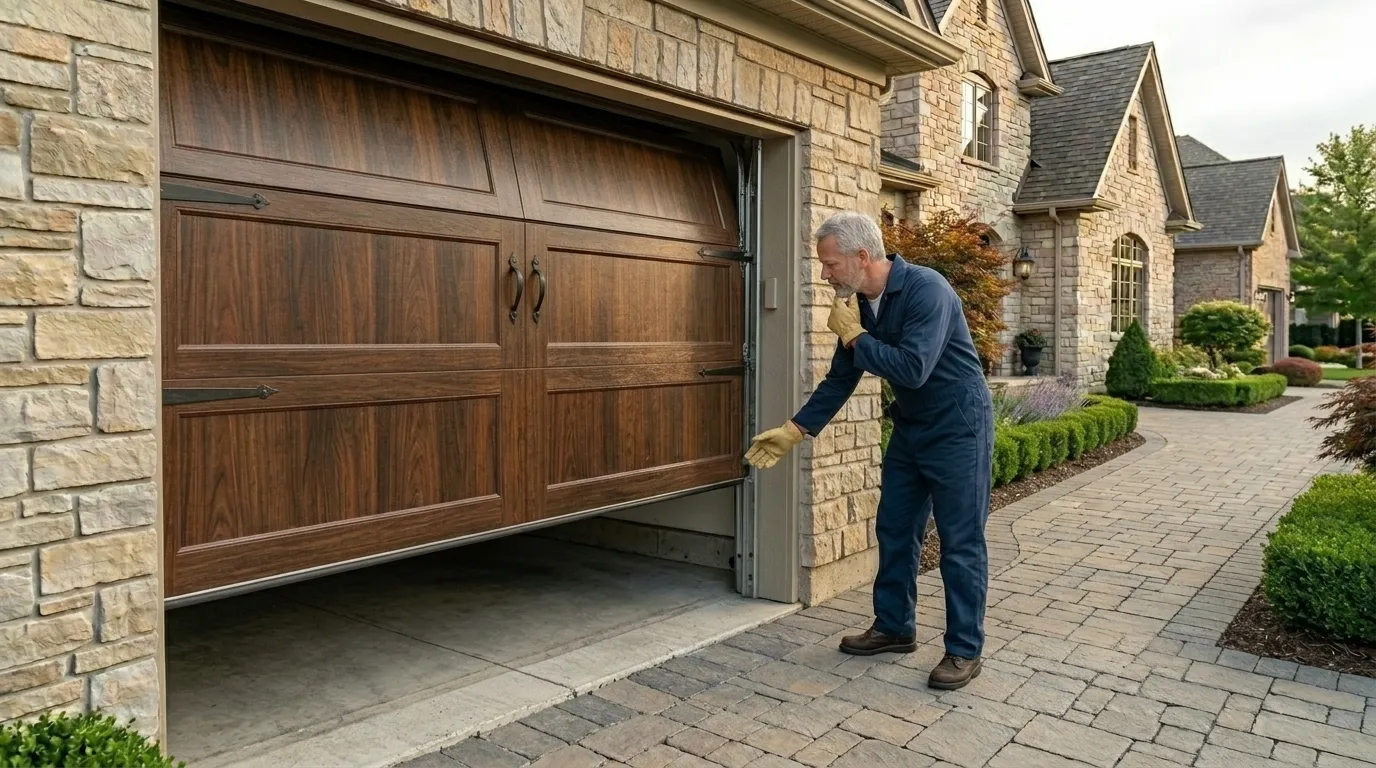
Call before the spring lets go, not after. A torsion spring on a door this age has almost certainly never been replaced, and the tell is usually a door that's gotten heavier to lift by hand over the last year or two - that's the spring losing tension, not the opener weakening. A cable that's frayed at the drum, a track bent from a car bumping it, or a bottom panel that's rusted through at the corner are all repair-or-replace calls that depend on what else is going on with the door, and that's genuinely a judgment call that needs eyes on it, not a phone estimate.
Here's the limitation worth stating plainly: we can't tell you over the phone whether a fifty-year-old door is worth saving. A door with good panels and a bad spring is an easy yes. A door with rusted-through panels and an opener from three owners ago usually isn't, and no amount of parts-swapping changes that math.
If the opener is straining, if the door drops the last six inches instead of easing down, or if a spring has already snapped, stop using it and get it looked at before anyone stands under it.
What Local Conditions Do
With a median household income of $31,240 across roughly 5,077 households, a full replacement isn't always the first move homeowners here can make, and it usually shouldn't be the first move on a door that's structurally sound. Repair makes sense far more often than the industry likes to admit, especially on doors from the 1965-1988 building wave that still have square frames and intact panels. What doesn't make sense is patching a door that's already fighting a bent track or a frame that's shifted with the house - on stock this old, foundation settling is common enough that a door binding on one side is as likely to be the frame as the door.
Florence isn't isolated on this; homeowners out toward Timmonsville, nine miles off, or Darlington, ten miles out, are working with the same building era and the same weather swings. The difference is usually the individual door's history, not the town it's in. A door that's had its spring replaced once and its rollers greased occasionally will outlast one that's been ignored since installation, regardless of which side of the county it's on.
How We Can Help
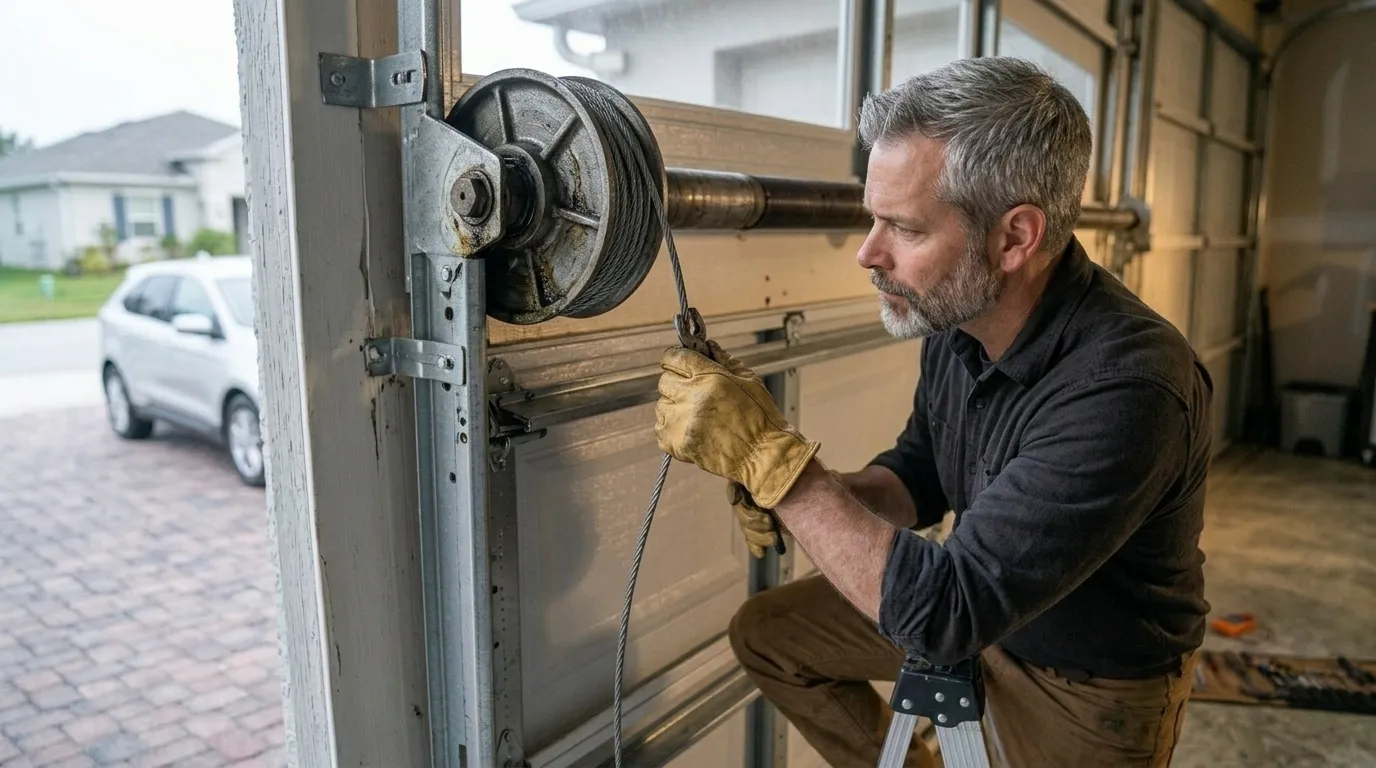
Garage Door Repair
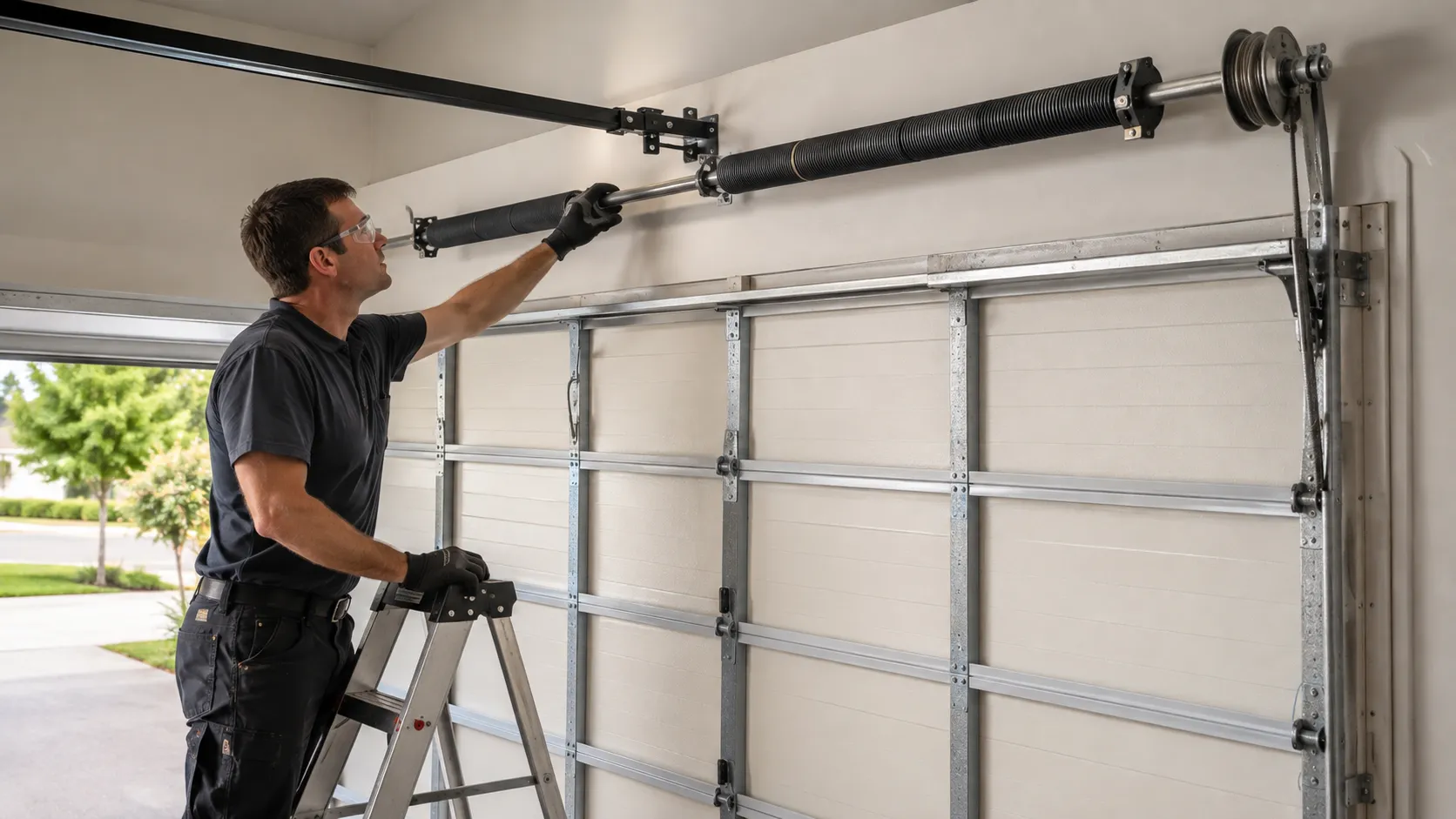
Springs, cables, tracks, rollers, and openers fixed by a tech who explains the problem before touching anything.
Learn more →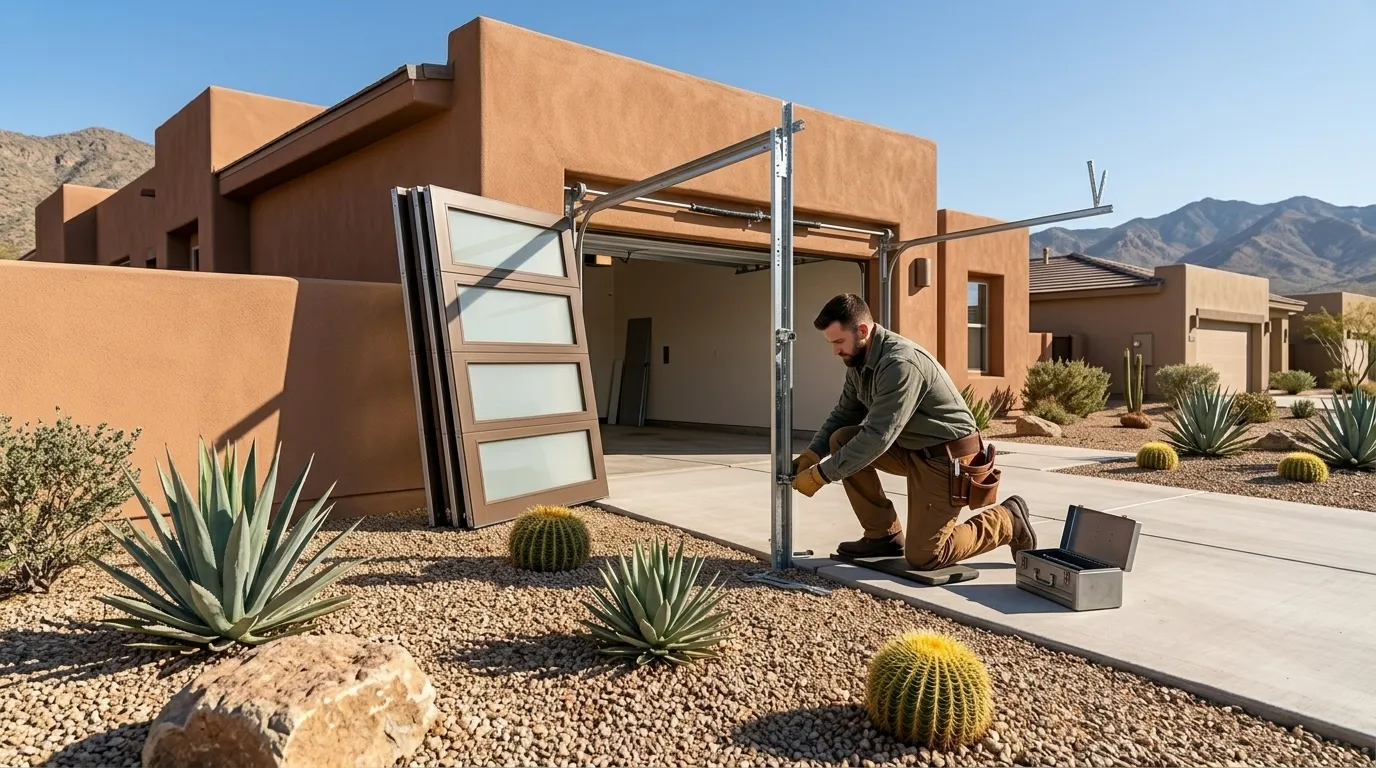
Garage Door Installation
New sectional doors sized and installed for the housing stock actually built in this area.
Learn more →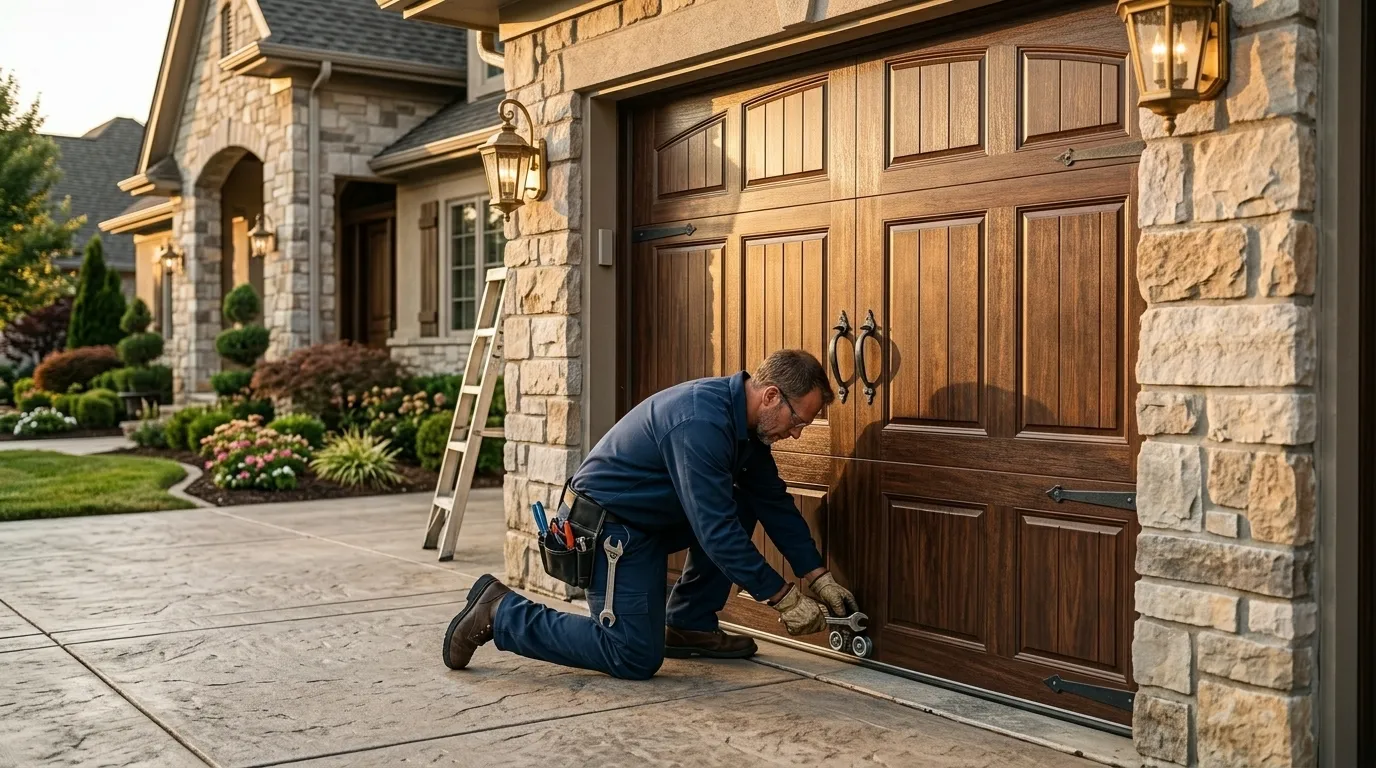
Garage Door Service
Tune-ups, lubrication, and safety checks that catch a small problem before it becomes a service call.
Learn more →Frequently Asked Questions
How old does a garage door have to be before it's not worth fixing?
Age alone doesn't decide it. A lot of the doors we see are close to fifty years old, tracking with this area's median 1977 build year, and plenty are still fixable if the panels and frame are sound. What ends the conversation is rust through the steel or a frame that's shifted enough that nothing lines up square anymore.
Does Florence's cold weather actually affect garage doors?
Yes, more than most people expect for a climate this area's data marks as only moderately cold. The freeze-thaw swing is enough to stiffen rollers and tighten spring tension, which shows up as a door that suddenly feels heavier to lift once temperatures drop in winter.
Is it cheaper to repair or replace an old door here?
Given the median household income of $31,240 across this area, repair is usually the more realistic first step, and it's often the right one - torsion springs, cables, and rollers are standard parts regardless of the door's age. Replacement makes sense once the panels or frame are damaged beyond a patch.
Why does my door bind on one side more than the other?
On houses from this area's 1965-1988 building wave, it's often the frame, not the door. Decades of settling can shift an opening out of square just enough that a door that used to glide now catches a track on one side. That's worth checking before replacing any hardware.
Have a Door That Needs a Second Opinion?
Call and describe what it is doing - we will tell you what it likely is.