
Maintenance & Tune-Up in Scranton
Garage Door Maintenance for Scranton, SC Homes
Scranton is a small town of about 235 households with 1970s-era garage doors. Here's what maintenance actually looks like out here, and what it costs.
What Happens When You Call
-
1
Call or Request a Quote
Tell us what the door is doing and roughly how old the house is - that alone points us toward the likely part before a truck leaves.
-
2
On-Site Diagnosis
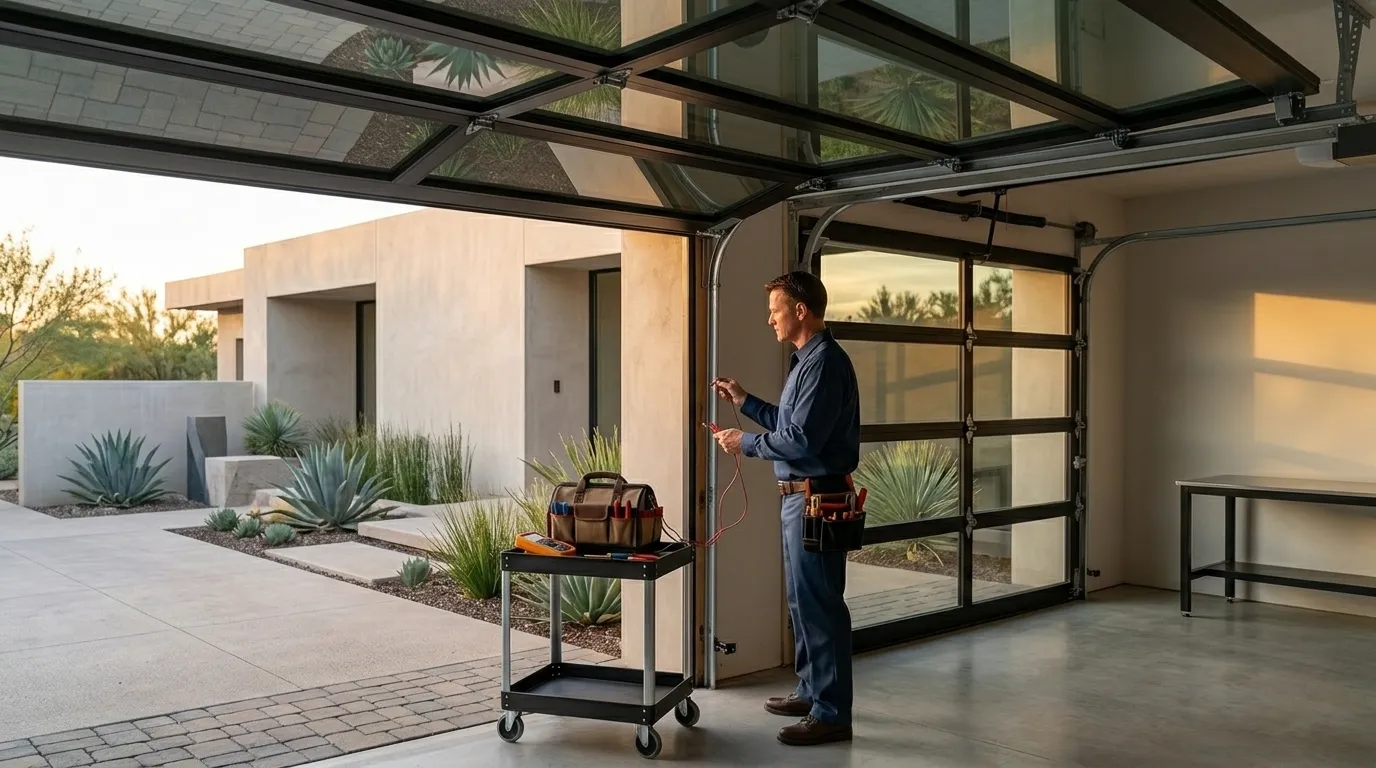
A tech checks the spring, cables, tracks, and opener in person and tells you plainly what is actually wrong.
-
3
Straight Price, No Surprises
You get a number before any work starts. It covers parts and labor, nothing added after the fact.
-
4
Fixed the Same Visit
Most repairs are done in one trip. If a part needs sourcing, we tell you that upfront instead of guessing.
The Cost of This Job
Scranton is small - about 235 households - and that changes what a maintenance visit looks like compared to a bigger town. We're not driving past rows of new-construction doors with warranty stickers still on them. Most of what we see out here is original hardware on houses built when 1977 was the median year on the block, which means we're often quoting for a tune-up on a door that's never had one.
That median household income here, $26,250, matters too. Folks in Scranton aren't looking to replace a whole opener system if a $40 part and an hour of labor gets another five years out of it.
We price maintenance visits as inspection-plus-adjustment jobs first: check spring tension, lube the track, tighten hardware, test balance. If something bigger turns up - a cracked panel, a motor on its way out - we tell you before we do anything, not after.
We travel 18 miles out from Florence to get here, so we bundle the diagnostic and the fix into one trip whenever the parts on the truck allow it. That keeps the visit itself affordable even when the drive isn't short.
Where This Job Goes Sideways
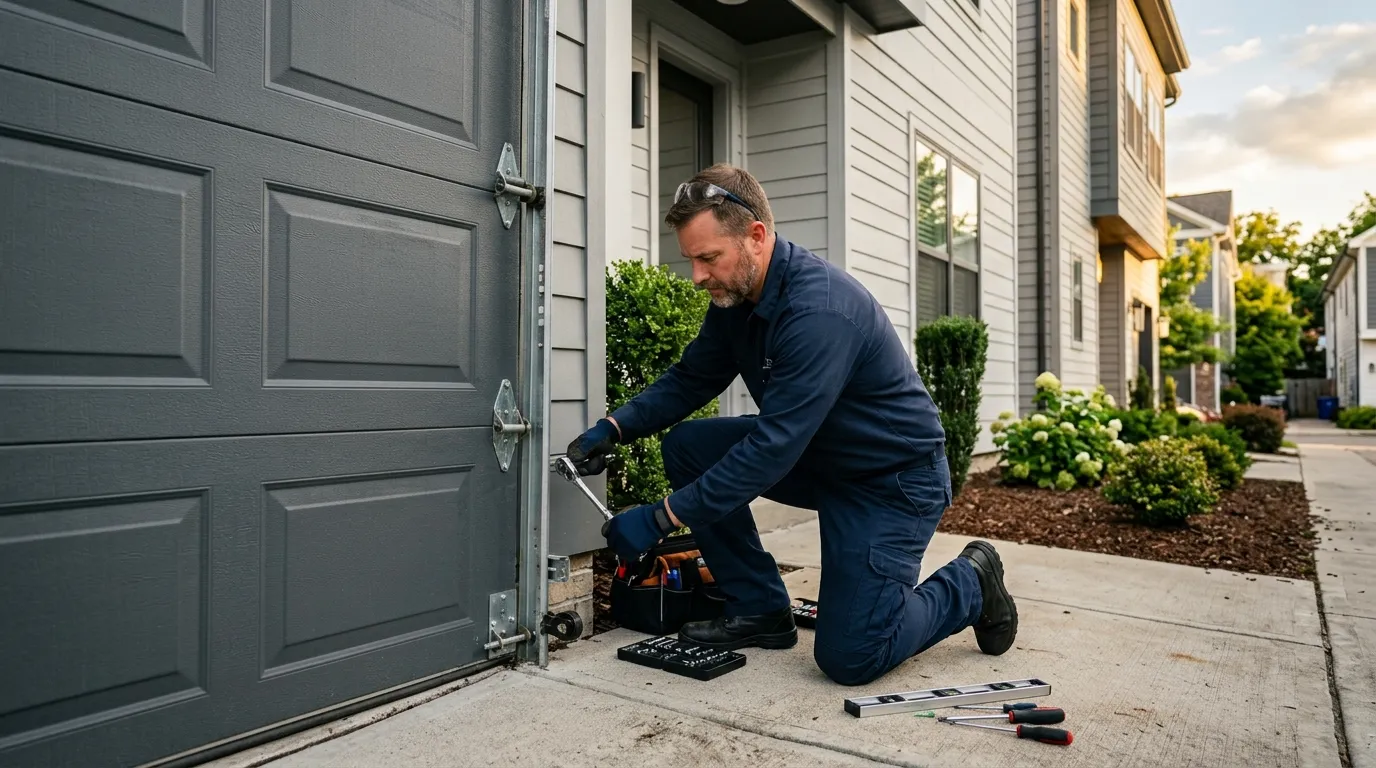
On a house built around 1977, the spring and track hardware has usually been touched by more than one owner and more than one improvised fix. We find lock-nuts swapped for the wrong size, tracks re-bent instead of replaced, and rollers that were never the right ones for that door in the first place.
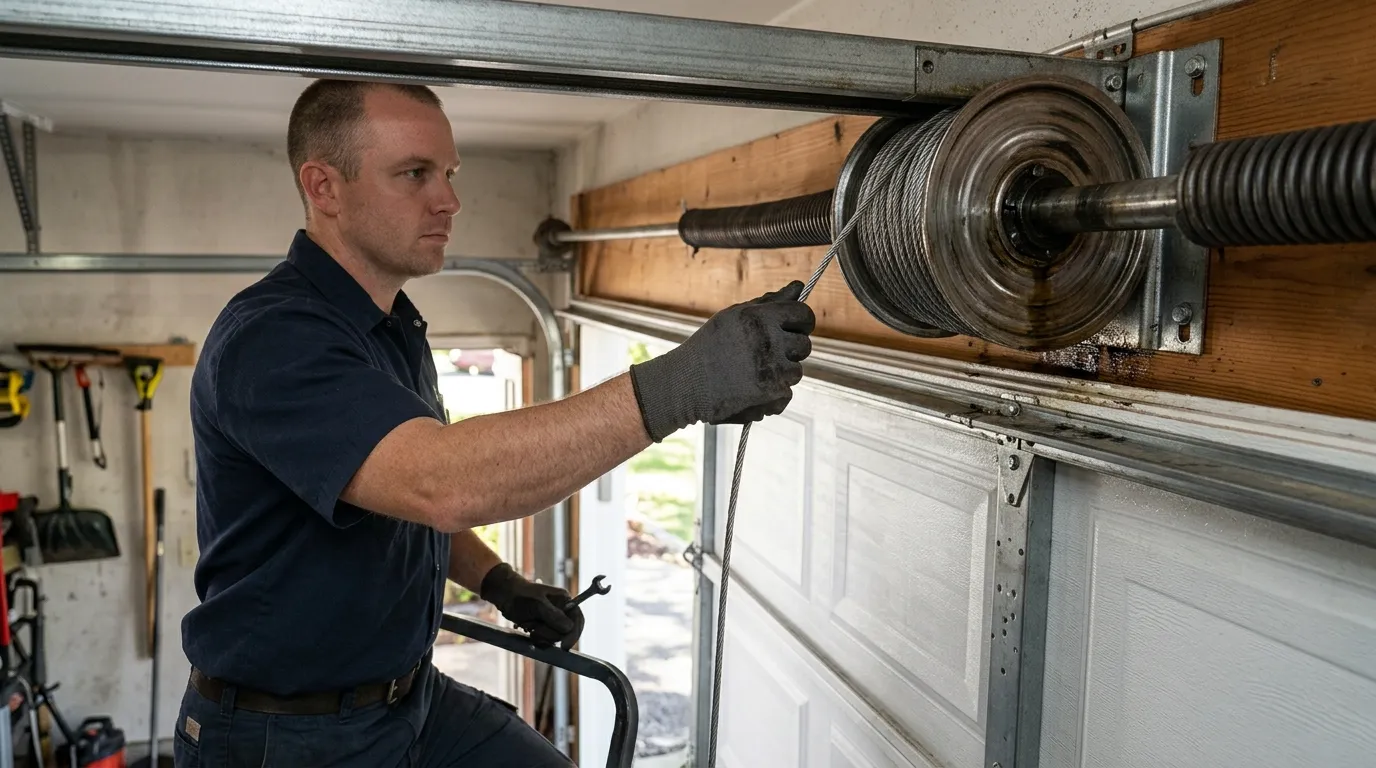
The failure point we see most in this stock is the torsion spring cable fraying where it wraps the drum - decades of use on hardware that was never serviced on any schedule. A maintenance visit catches that fray before the cable snaps under load, which is the difference between a $30 fix and a door that comes off the track.
The honest limitation here: if the opener itself is original to a 1977-era house, we're not stocking parts for it. Some of those units are past the point where maintenance extends their life meaningfully, and we'll say so rather than keep billing small visits against a motor that's done.
What the Repair Takes
A standard maintenance call on a door from this era runs the same core list every time: check spring tension and balance, inspect cables for fray, lube rollers and hinges, tighten every bolt on the track brackets, and test the auto-reverse if the opener has one. On houses this old, we also check whether the track spacing has drifted, which happens after enough years of a door running slightly out of balance.
What it doesn't take is a full teardown unless something's actually broken. We're not selling you a new door on a maintenance visit. If the springs, cables, and track are sound, the visit is quick - most of the time is spent checking, not replacing.
Where it does take longer: doors that have gone years without any attention. A door that's never been lubed or adjusted needs more time to bring back to proper balance than one that gets checked every couple of years. We budget for that difference in Scranton more often than we do in newer parts of the service area.
The DIY Question
There's a fair amount you can do yourself between visits - wipe down the tracks, check that the door doesn't drift when you disconnect the opener and move it by hand, listen for new grinding or popping sounds. Any of that tells you something's changing before it fails outright.
What you shouldn't touch on a house this age is the spring itself. A torsion spring under tension on 1970s-era hardware can put someone in the hospital if the winding cone lets go, and on older setups we can't always tell you the spring's exact age or wind count without pulling it. That's not a sales line - it's the one place where the DIY answer is genuinely no.
If you're not sure whether what you're hearing is normal wear or a sign of something failing, that's what the visit is for. We'd rather answer that question on a maintenance call than a service call.
How It Shows Up
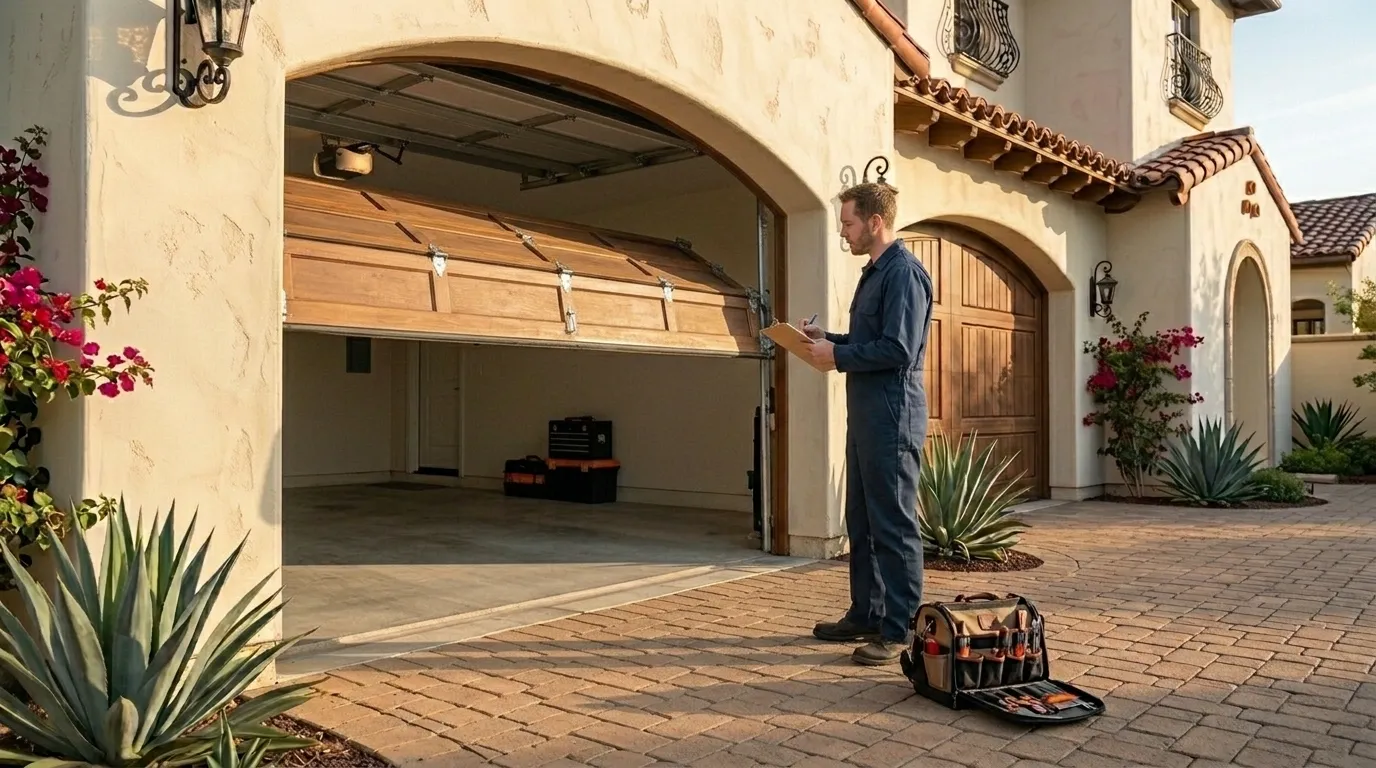
In Scranton, the door usually tells you something's wrong before it stops working. A door that used to run quiet starts popping partway up - that's often a spring losing tension unevenly. A door that used to sit flush starts leaving a gap at one corner - that's the track shifting out of parallel, common on houses that have settled over 40-plus years.
Because so much of the stock here dates to the same stretch of years, we see the same handful of symptoms repeat house to house: cable fray at the drum, hinges that have worked loose from decades of vibration, and rollers that were never replaced when the door was. None of that shows up overnight. It builds for months before the door actually fails, which is exactly the window a maintenance visit is meant to catch.
Stocked Parts
We carry the rollers, hinges, cables, and general hardware sizes that fit the door styles common on 1960s-70s stock, since that covers most of what we run into out here. Standard torsion springs in common sizes are on the truck too.
What we don't carry stock for: openers specific to a house this old, or track hardware for a nonstandard door that was custom-fit decades ago. If a job needs one of those, we order it and come back - we tell you that up front rather than let you assume it's a same-visit fix. For general maintenance work, though, most Scranton calls get handled in one trip.
Talk to a Scranton Technician First
Describe what the door is doing and get a straight answer on what it likely needs.
Other Garage Door Services in Scranton
Recent Work in Scranton
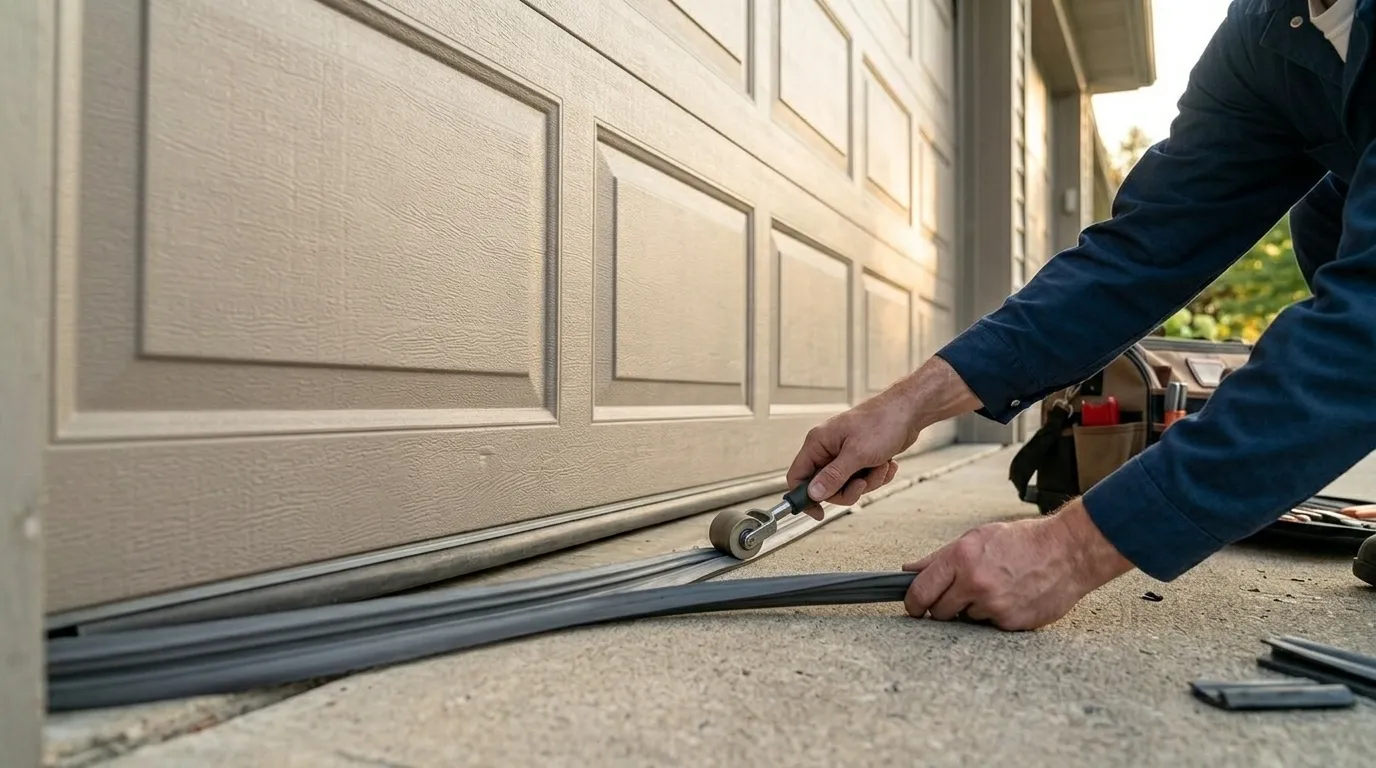
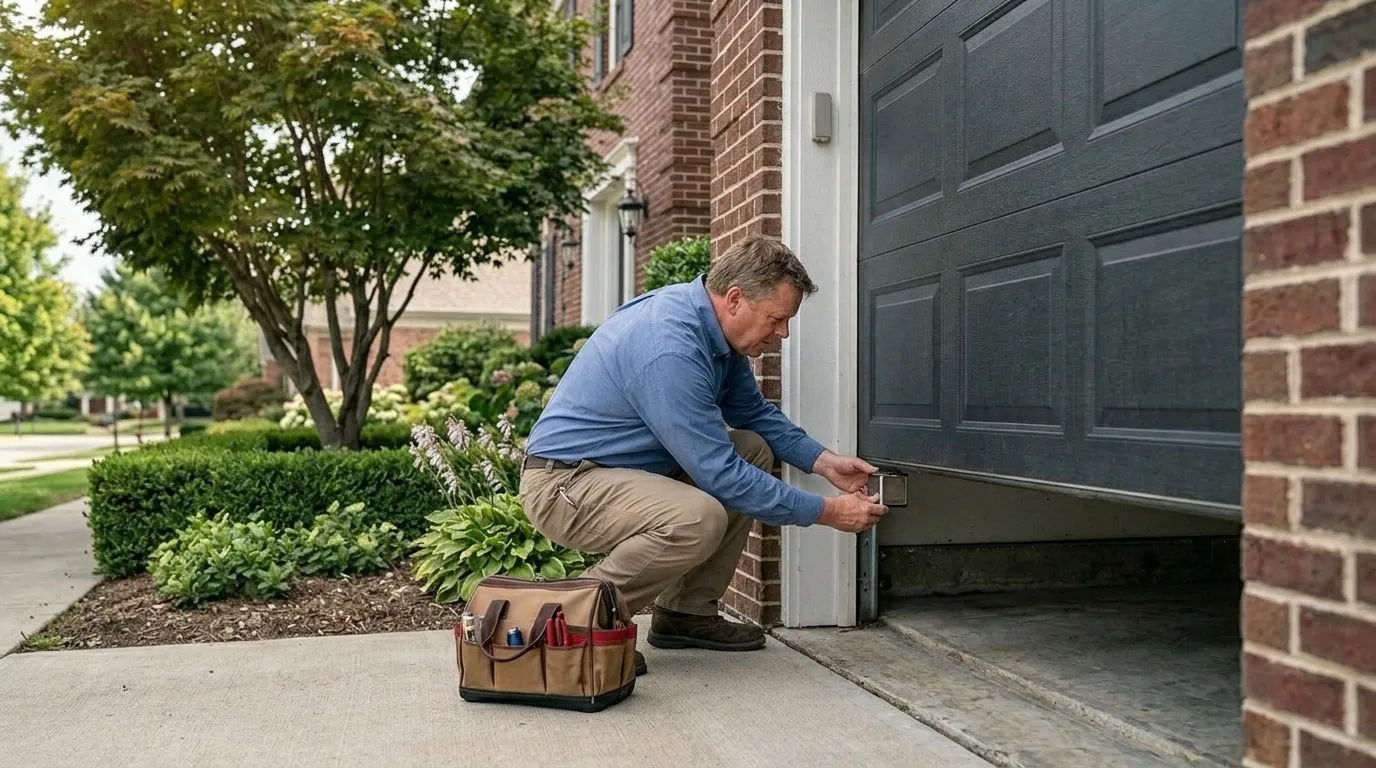
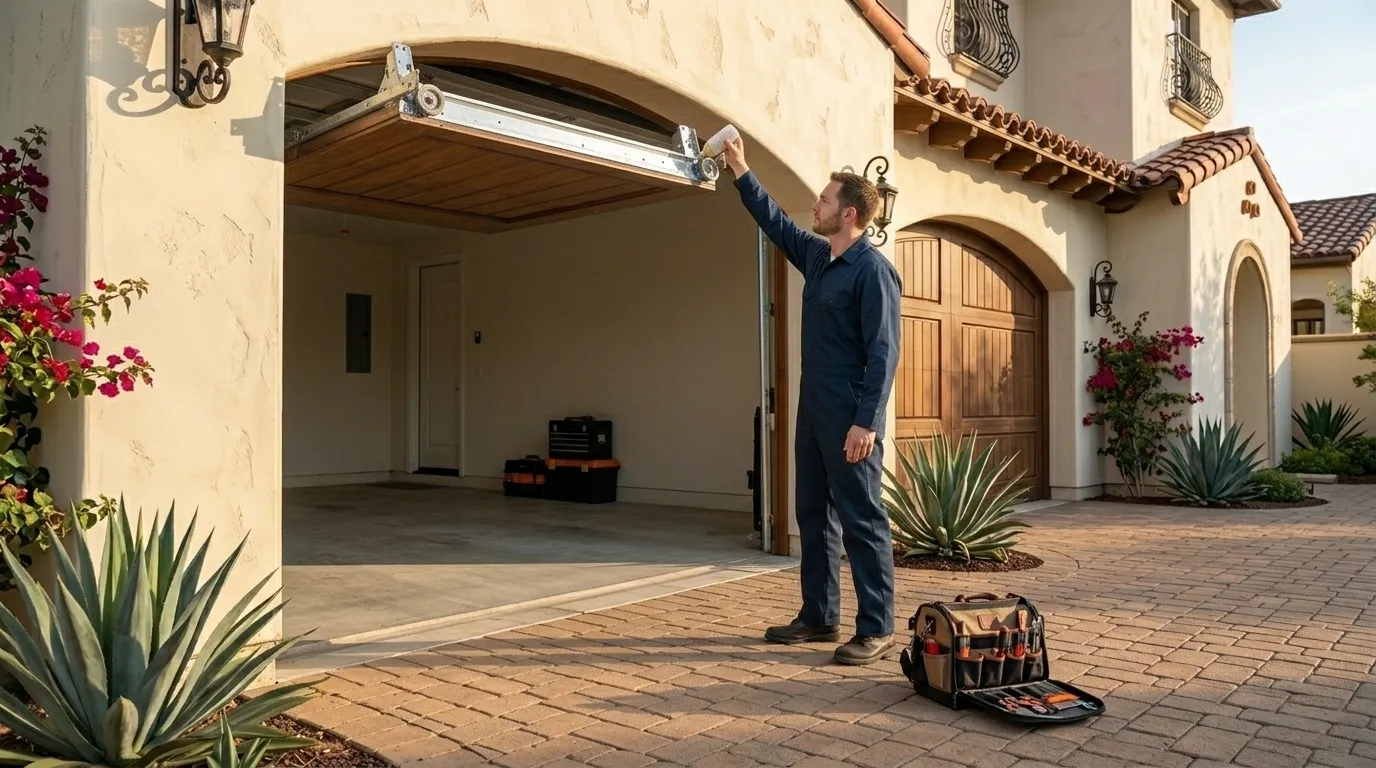
A look at jobs our crew has been on nearby.
Why Scranton Calls Us
Frequently Asked Questions
How often should a garage door in Scranton get serviced?
With most of the housing stock here dating to the 1970s, we recommend a maintenance check every year or two, more often if the door sounds different than it used to. Original hardware that's never been serviced tends to fail without much warning, so catching wear early matters more here than on newer doors.
Is it worth maintaining a door this old instead of replacing it?
Often yes. If the track and spring hardware are sound, a tune-up and part swap can add years to a door for a fraction of replacement cost. We'll tell you honestly when the opener or panel has reached the point where maintenance stops making financial sense.
Do you carry parts for older openers on the truck?
We stock common rollers, hinges, cables, and standard torsion springs that fit most doors from this era. Openers specific to an older house sometimes need to be ordered - we'll tell you at the visit if that's the case rather than assume it's a same-day fix.
Why does a small town like Scranton need a different maintenance approach?
With about 235 households, Scranton doesn't have the newer-construction mix a bigger town does. Nearly everything we service here is original hardware from the same building era, so the wear patterns and failure points repeat house to house in a way they don't elsewhere.
Need Maintenance & Tune-Up in Scranton?
Call now for straight answers on cost and timing.