
Panel Replacement in Coward
Panel Replacement for Coward's Late-'80s Garage Doors
Coward homes mostly went up by 1988, later than most of Florence's stock. That means different panel styles and different fixes. Here's what that means for your door.
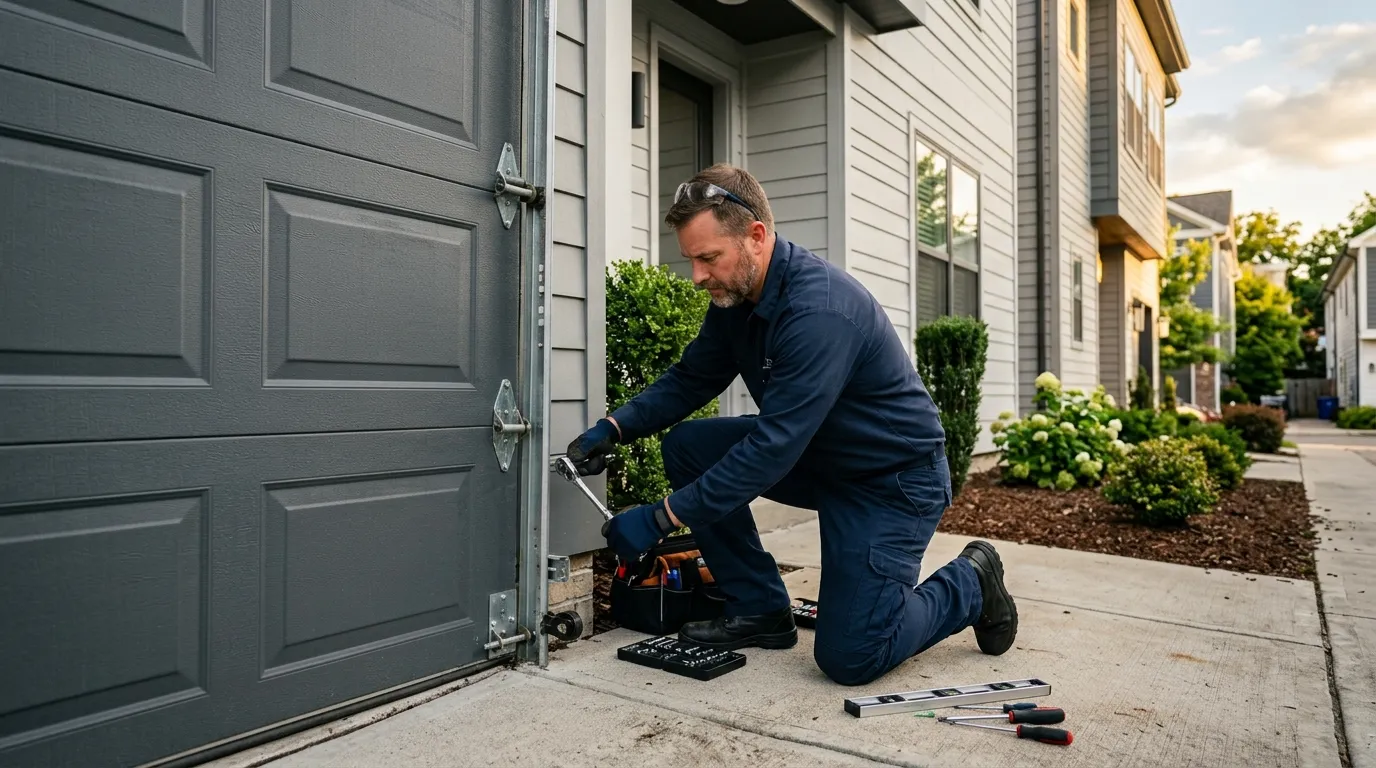
What Happens When You Call
-
1
Call or Request a Quote
Tell us what the door is doing and roughly how old the house is - that alone points us toward the likely part before a truck leaves.
-
2
On-Site Diagnosis
A tech checks the spring, cables, tracks, and opener in person and tells you plainly what is actually wrong.
-
3
Straight Price, No Surprises
You get a number before any work starts. It covers parts and labor, nothing added after the fact.
-
4
Fixed the Same Visit
Most repairs are done in one trip. If a part needs sourcing, we tell you that upfront instead of guessing.
How Long It Takes
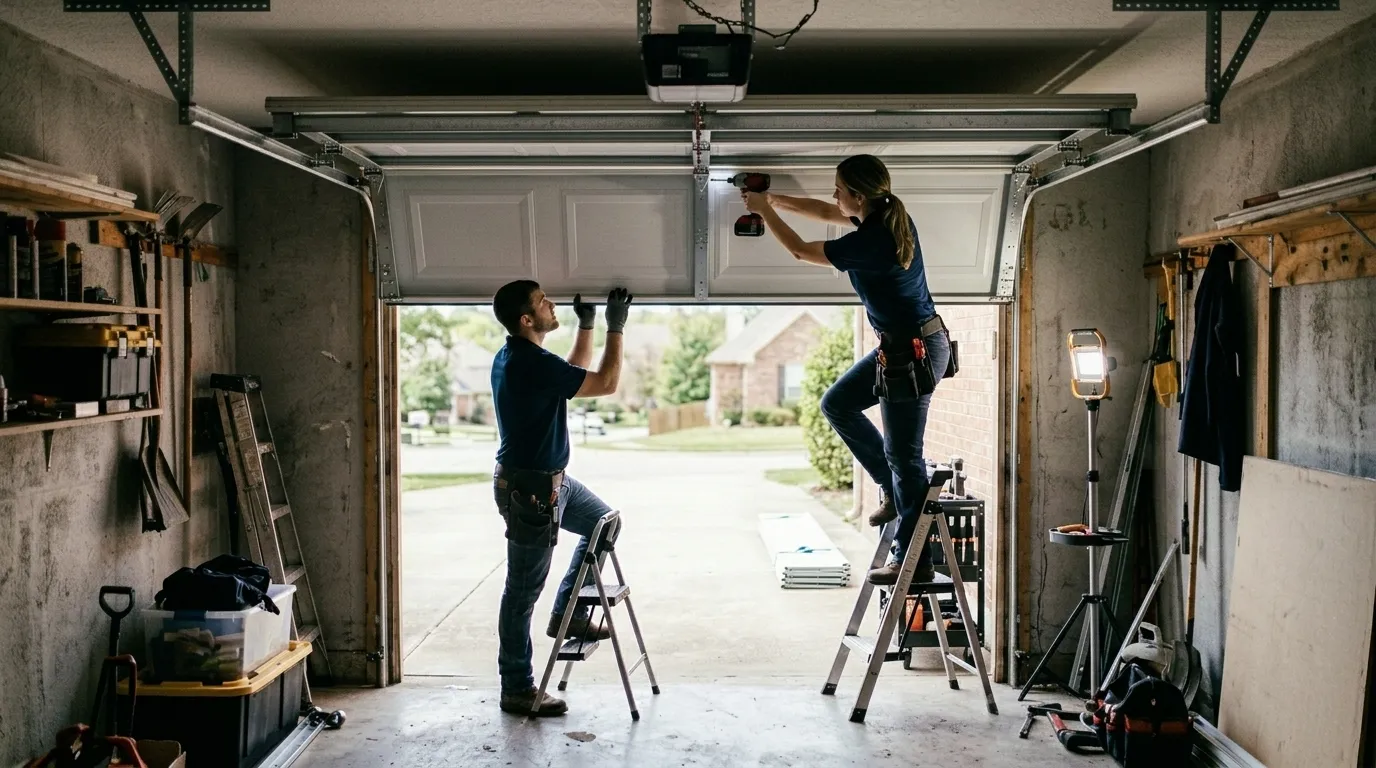
Most houses in Coward were built by 1988, which puts a lot of the door hardware here into the late steel-sectional era rather than the older wood-panel doors you still see closer to Florence's core, where the median build year runs closer to 1977. That later build date matters for a panel job: doors from this stretch typically use factory steel sections on standard tracks, not the custom or built-up panels that show up on older homes. A straightforward single-panel swap on a door like that, once we've confirmed the make and section size, usually runs a couple of hours on site.
We travel out from Florence for the job, about 14 miles each way, and we bring the door in as a known quantity before we load the truck, so we're not guessing at panel sizing once we're standing in the driveway. Where it runs longer is when the whole run has to come off the truck stock instead of the shelf, or when a section has warped enough that the track alignment needs checking too, not just the panel itself.
Why It Happens Here
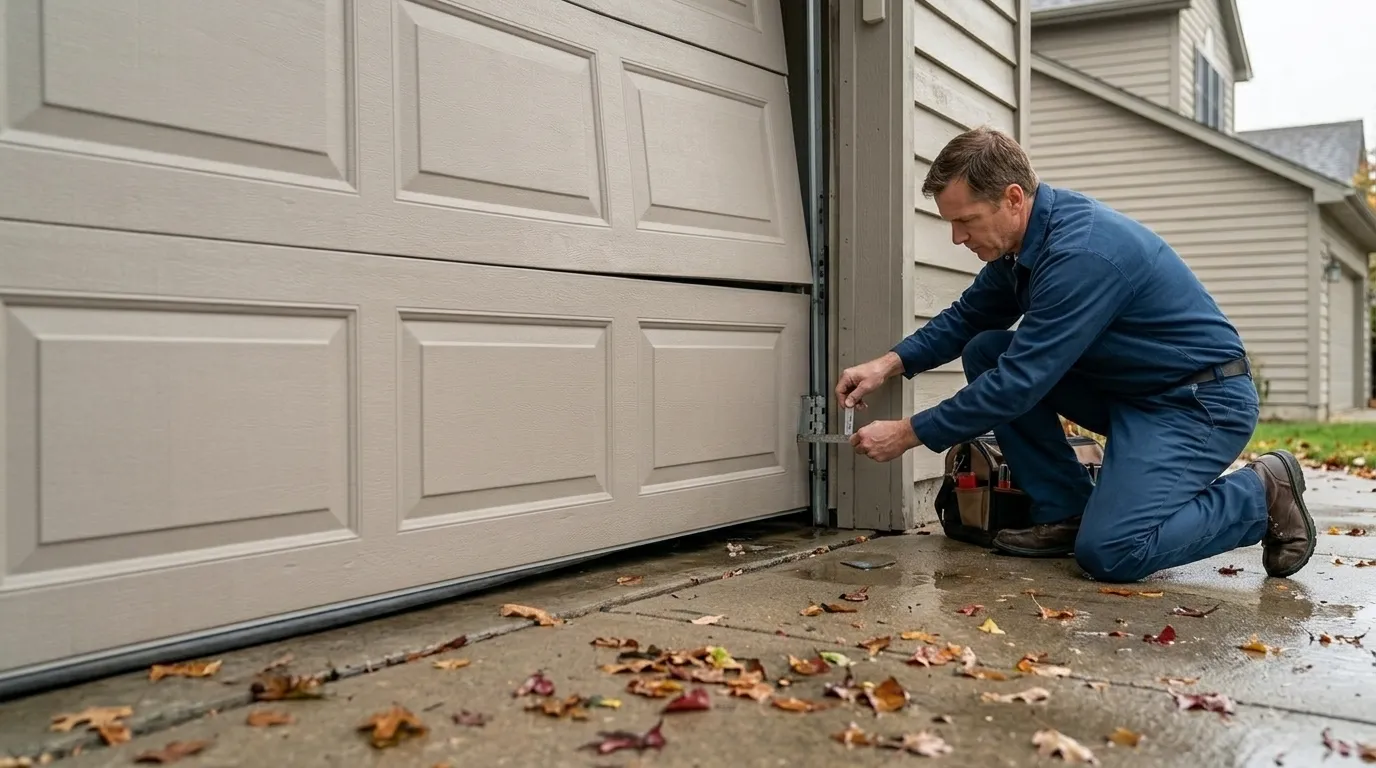
With most of Coward's housing dating to the 1965-1988 window and skewing toward the later end of that range, the panels you're dealing with are steel, not the older single-layer aluminum or wood you'd find on a 1960s door. Steel sections from that era dent rather than crack, and they rust from the bottom edge up where water sits against the track after rain.
This area sits in the same cold-moderate climate band as the rest of the service territory, so freeze-thaw cycling on a dented or rusted seam is what usually turns a cosmetic ding into a section that won't seal anymore. A backed-in trailer hitch or a stray mower is the common cause on a steel panel of this vintage - the dent itself doesn't fail the door, but once the seam between sections opens up, the insulation core (if the door has one) starts pulling moisture and the panel goes soft.
The DIY Question
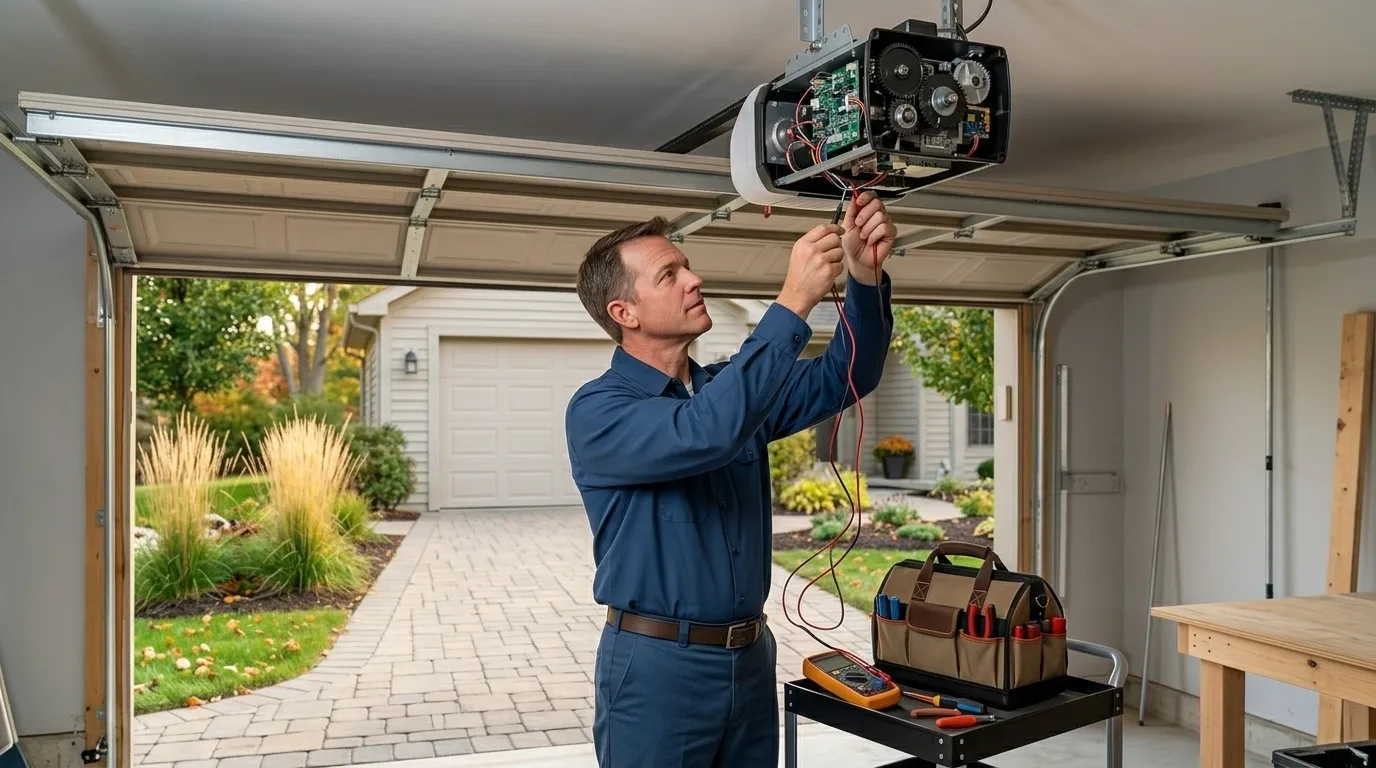
Swapping a single steel section yourself is possible on a door from this era if you can find a matching panel - the hardware is standard enough that it's not a specialty part search. Where it gets risky is the spring. On a lot of these late-'80s doors the torsion spring is still original or a first replacement, and it's under enough tension to hurt you badly if you disconnect the wrong bracket while the panel's off.
If your income and budget make a DIY panel swap tempting, that's fair - just don't touch the spring side of the job yourself. We'll do the panel and check the spring while we're there, and tell you straight if the spring needs replacing too instead of running another call later.
What the Repair Takes
We start by matching the section - manufacturer, color, and rib profile, since steel sections from this build era aren't universal even within the same brand. Once we've got the right panel, the job is pulling the fasteners at the end stiles, freeing the section from the hinges above and below it, and setting the new one in without disturbing the track alignment on either side.
On a door with an insulated core we check that the new section's foam matches thickness, or the door ends up with an uneven seal at that one seam. We also test the spring balance after the swap - a new panel changes the door's weight distribution slightly, even if it's a small amount, and an unbalanced door wears the opener faster.
Stocked Parts
We carry common steel panel sections and standard torsion hardware sized for doors from the 1965-1988 build range, which covers most of what's on the road between here and Florence. What we don't keep on the truck is a match for every discontinued color or an obsolete rib pattern - if your door's a less common brand, we may need a day or two to get the right section in before we come back to finish the job. That's the honest limit: we can usually get you weathertight same-visit with a cosmetic patch, but a true color-matched, factory-profile panel sometimes means two trips.
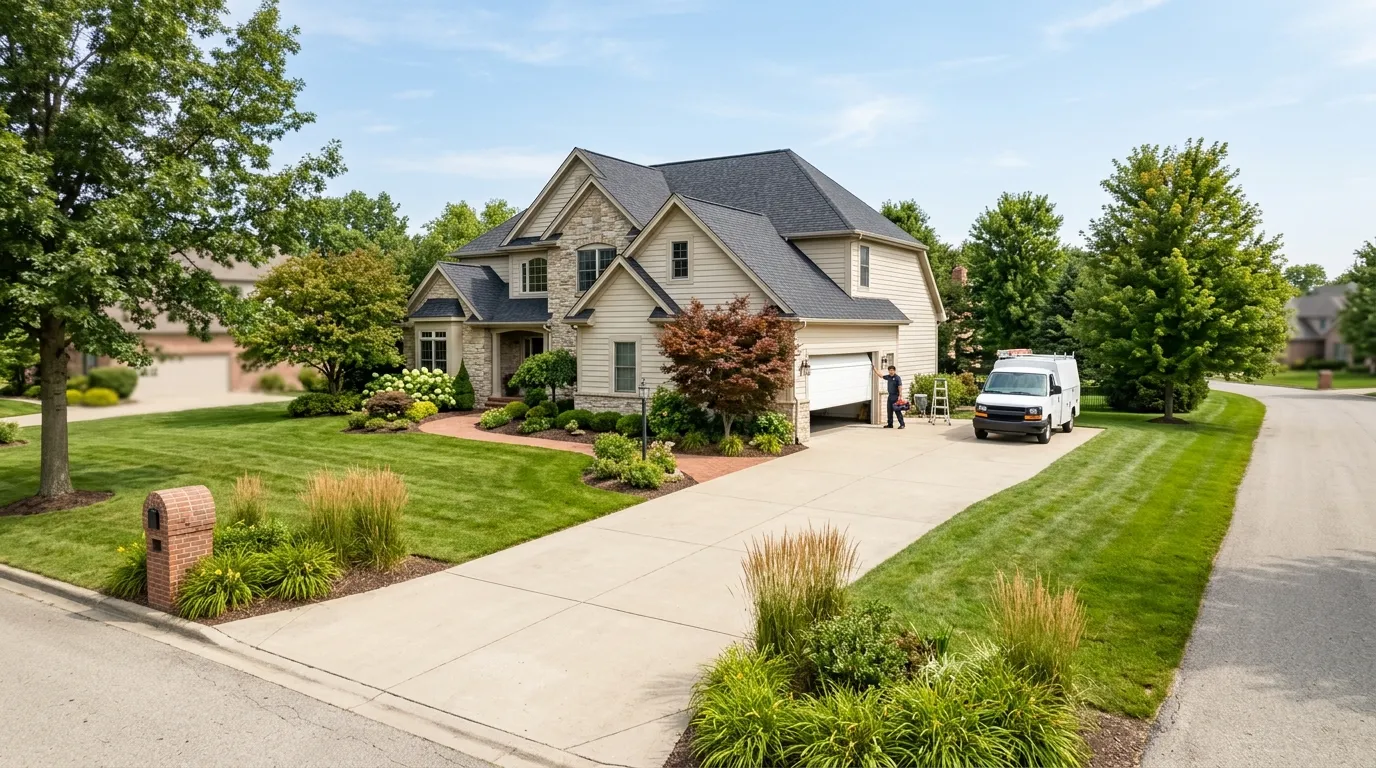
Talk to a Coward Technician First
Describe what the door is doing and get a straight answer on what it likely needs.
Other Garage Door Services in Coward
Recent Work in Coward
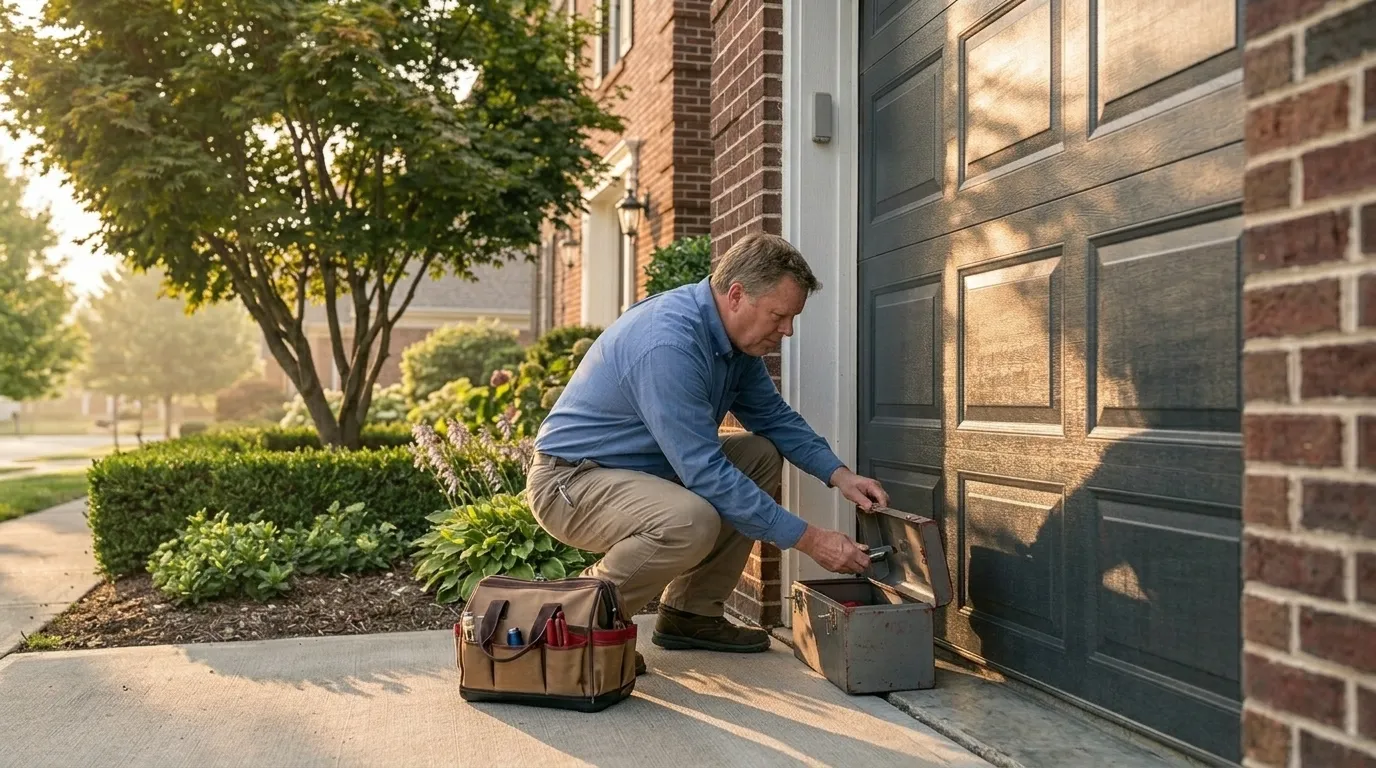
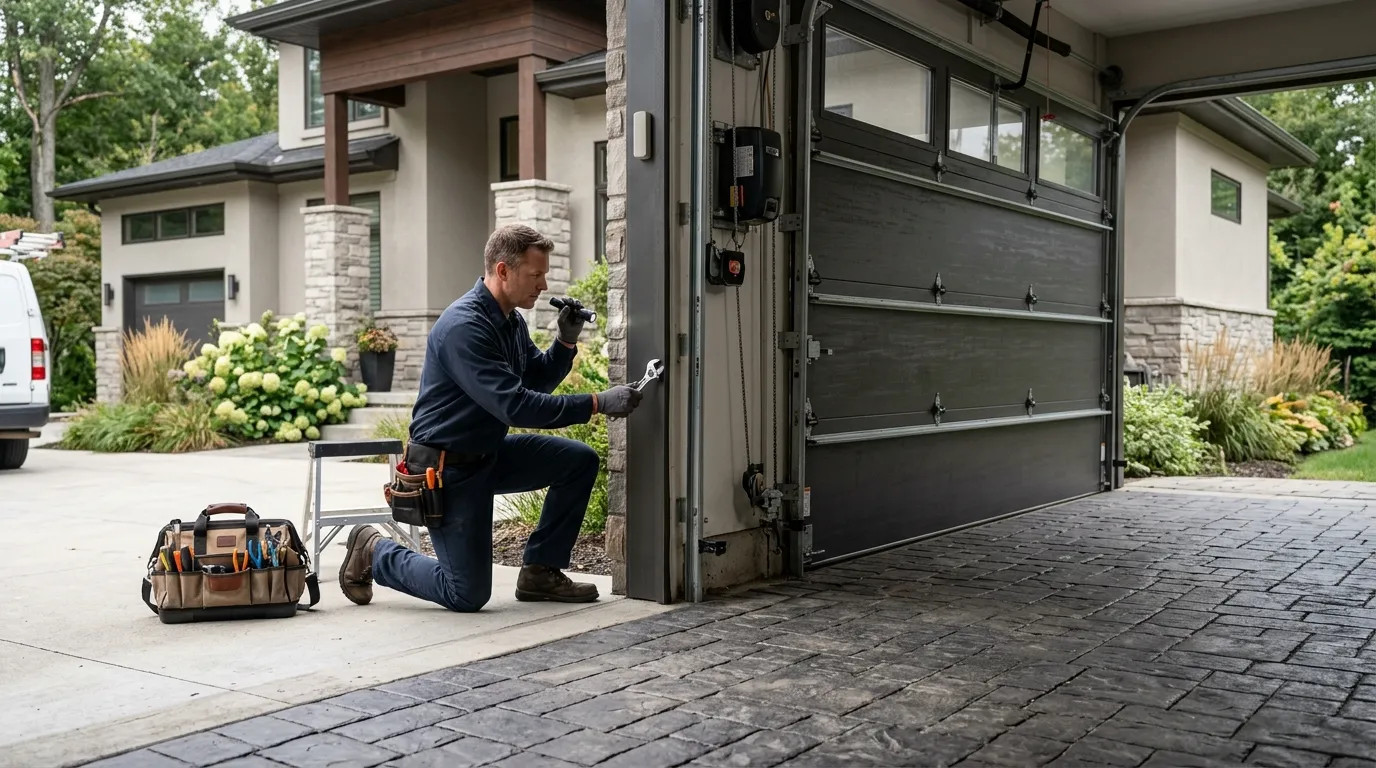
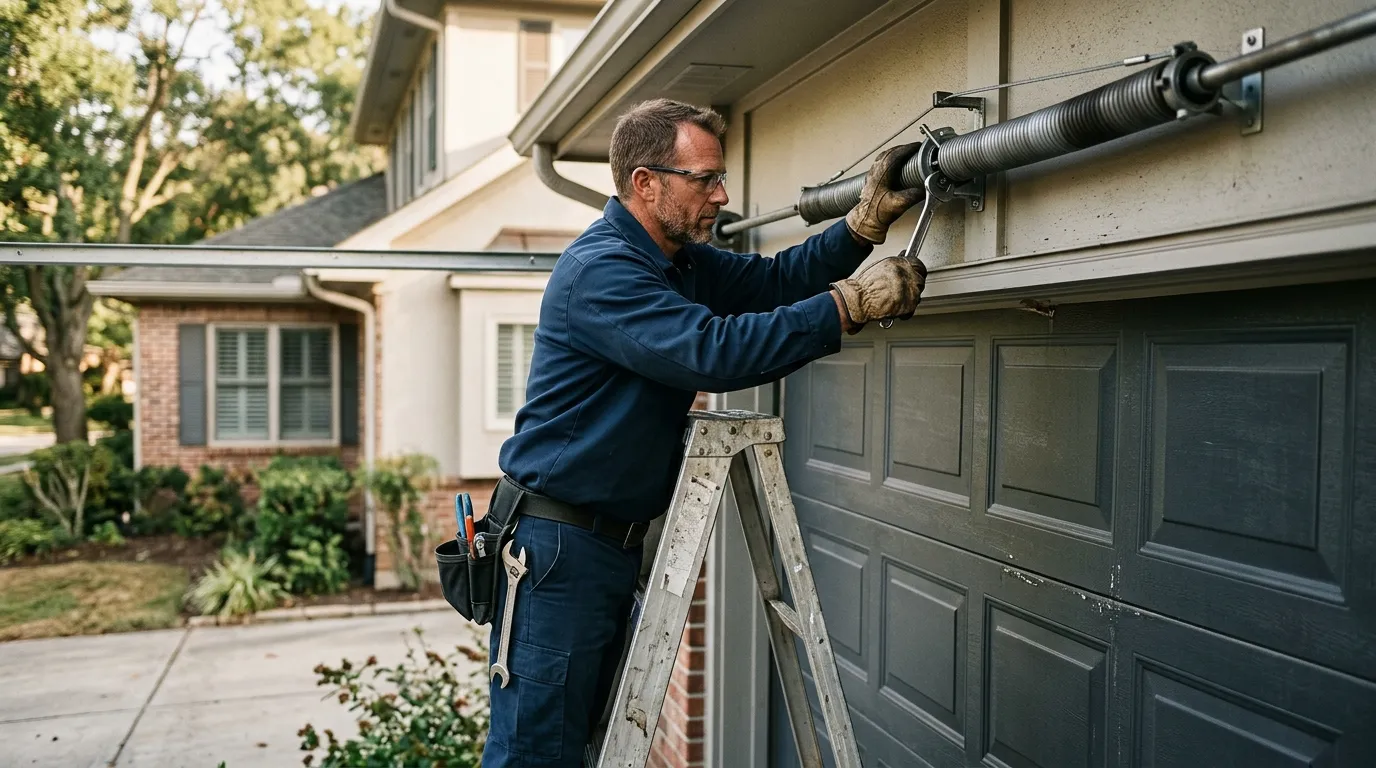
A look at jobs our crew has been on nearby.
Why Coward Calls Us
Frequently Asked Questions
Will a new panel match the rest of my door's color?
We try to match the manufacturer's original color and rib profile, but doors from the 1965-1988 range sometimes used colors that are no longer made. If we can't get an exact match on the truck, we'll tell you before we start and give you the option to wait a couple of days for a closer match instead of a mismatched section.
Is a dented panel worth fixing or should I replace the whole door?
If it's one section on an otherwise sound door with good balance, a single-panel swap is the cheaper and faster fix. If two or more sections are dented, rusted, or the door binds on the track, replacing the whole door usually costs less than section-by-section repairs over time.
How far out is Coward from your base in Florence?
About 14 miles. We travel out for jobs like this regularly, and we bring the panel matched to your door's make and size before we head over, so the trip isn't wasted on a guess.
Need Panel Replacement in Coward?
Call now for straight answers on cost and timing.